
Pampanga Pindang Damulag Key Takeaways
Pampanga Pindang Damulag is a beloved Kapampangan carabao meat delicacy known for its distinctive sweet and tender flavor.
- Pampanga Pindang Damulag uses premium carabao meat, marinated in fruit enzymes to achieve its signature tenderness.
- This sweet and tender cured meat reflects centuries-old Kapampangan preservation techniques, passed down through generations.
- Authentic Pampanga Pindang Damulag is best enjoyed with garlic rice, pickled papaya, and a sunny-side-up egg.
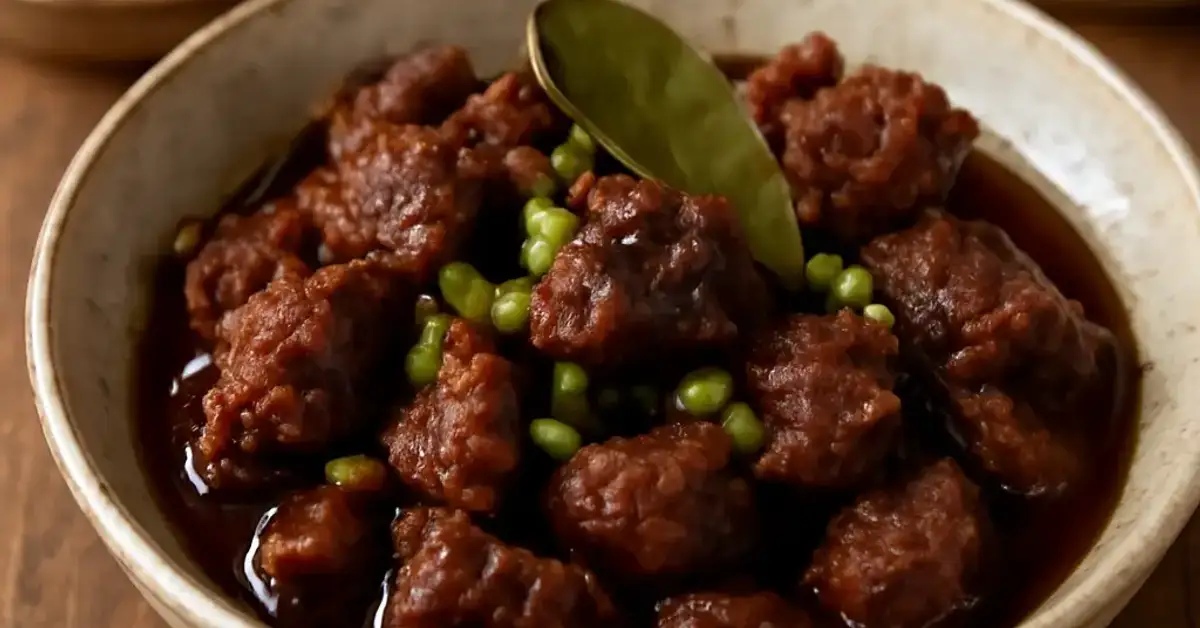
What Readers Should Know About Pampanga Pindang Damulag
Growing up in Mindanao, specifically in Isulan, Sultan Kudarat, my childhood was filled with the flavors of grilled native chicken, spicy Palapa, and fresh seafood from the Celebes Sea. But my journey as a digital nomad eventually led me to Davao City, where my curiosity for regional Filipino food only deepened. I wanted to taste every province, every tradition. That’s how I found myself driving north to Pampanga, the culinary capital of the Philippines, in search of one legendary dish: Pampanga Pindang Damulag.
When I took my first bite of this carabao meat delicacy, I was instantly hooked. The meat was beautifully caramelized, bursting with a perfect balance of saltiness and natural sweetness. It was chewy but not tough, with a richness that felt both comforting and special. This was not just breakfast food—it was a story on a plate.
To understand Pampanga Pindang Damulag is to understand the Kapampangan people: resourceful, proud, and deeply connected to their land. In this article, I’ll walk you through everything I learned about this sweet and tender cured meat—from its heritage to its preparation, and how you can experience it yourself.
What Is Pampanga Pindang Damulag?
Pampanga Pindang Damulag is a traditional Kapampangan cured meat made from carabao (water buffalo) meat. The word “pindang” refers to a local method of curing or drying meat, while “damulag” is the Kapampangan term for carabao. Unlike modern jerky or mass-produced tapa, this delicacy is first marinated in a mixture of calamansi, salt, brown sugar, and—most importantly—fruit enzymes from young papaya or pineapple. For a related guide, see Pampanga Pako Salad: Fresh Fern Delicacy with a Kapampangan Twist.
This enzymatic marinade is the secret behind its famous tenderness. Carabao meat is naturally lean and robust, but the papaya or pineapple breaks down the tough protein fibers, resulting in a texture that’s tender yet still satisfyingly meaty. After marinating, the meat is either sun-dried or air-dried before being pan-fried until slightly crispy on the edges.
For Kapampangans, Pampanga Pindang Damulag is more than just food—it is a symbol of their resourcefulness. In an era before refrigeration, curing and drying meat allowed families to preserve their harvest for weeks. Today, it remains a cherished breakfast centerpiece and a proud export of Pampanga’s food culture.
How Is Pindang Damulag Prepared in Kapampangan Cuisine?
The preparation of Kapampangan Pindang Damulag is a careful ritual that balances science and tradition. Here is a step-by-step look at how it’s traditionally made:
Step 1: Selecting the Meat
Only the best cuts of carabao meat are used. Most cooks prefer the lean parts of the hind leg (pata) or the loin, trimmed of excess fat. Carabao meat has a deeper, beefier flavor than cow meat, with a distinct gamey note.
Step 2: The Marinade
The marinade is the heart of the dish. It typically includes:
- Fresh calamansi juice or vinegar
- Crushed young papaya or pineapple (for enzymes)
- Salt and brown sugar
- Crushed garlic and black pepper
- Optional: a touch of soy sauce
The meat is sliced thinly against the grain and submerged in this mixture for at least 6 to 12 hours, often overnight in a cool place. The papaya or pineapple works as a natural tenderizer, making the carabao meat delicacy incredibly soft.
Step 3: Drying
After marinating, the slices are laid out on bamboo trays and dried under the sun for a few hours. In modern kitchens, a dehydrator or a low-temperature oven (around 60°C) can be used. The goal is to remove surface moisture, concentrating the flavor and extending shelf life.
Step 4: Frying
When it’s time to cook, the dried meat is pan-fried in hot oil. The high heat caramelizes the sugar in the marinade, creating a beautiful golden-brown crust. The sweet and tender cured meat is served immediately, usually with steaming garlic rice and a runny egg.
What Ingredients Are Used in Traditional Pindang Damulag?
The beauty of authentic Pindang Damulag recipe lies in its simplicity. Here are the core ingredients that create its unforgettable flavor profile:
| Ingredient | Purpose |
|---|---|
| Carabao meat (damulag) | Base protein; lean, robust flavor |
| Young papaya or pineapple | Natural enzymes tenderize the meat |
| Calamansi or vinegar | Acidity balances sweetness and aids preservation |
| Brown sugar | Adds caramelized sweetness |
| Salt | Draws out moisture, acts as a preservative |
| Garlic and black pepper | Adds aromatic depth |
Some families also add a splash of soy sauce for umami or a pinch of dried oregano for a subtle herbal note. But the fundamental combination remains the same: a balance of salt, sweet, sour, and natural fruit enzymes.
Why Is Carabao Meat Popular in Pampanga Delicacies?
Carabao has always been central to rural Filipino life, but in Pampanga, it holds a special place on the table. The province has a long history of agriculture, and carabaos were used as working animals in rice paddies. When the animals retired or were needed for food, no part was wasted. For a related guide, see Pampanga Nasing Biringyi: The Fragrant Chicken Rice Delicacy for Special Occasions.
Kapampangan cooks discovered that carabao meat, despite being leaner and tougher than beef, could be transformed through marination and slow cooking. Dishes like Pampanga Pindang Damulag, carabao tapa Philippines, kalderetang damulag, and tocino ng damulag emerged as a way to honor the animal’s contribution. Over time, these dishes evolved into signature Pampanga specialty food items that locals and tourists crave.
Today, carabao meat is prized for its unique flavor and lower fat content. It’s also considered a sustainable choice, as carabaos are well-adapted to the Philippine climate and require fewer resources than imported cattle.
What Does Pampanga Pindang Damulag Taste Like?
If you’ve never tried Pampanga Pindang Damulag, imagine the love child of classic Filipino tapa and tocino. It has the savory, salty notes of cured meat but is elevated by a pronounced natural sweetness that isn’t cloying. The sweet and tender cured meat has a chew that gives way easily, releasing a rich, beefy juice with a hint of fruitiness from the papaya or pineapple.
When fried to perfection, the edges turn crispy while the center remains juicy. It’s not as dry as beef jerky nor as wet as braised meat. The caramelization creates a subtle smokiness, especially if sun-dried. Overall, it’s a harmonious dance of savory, sweet, sour, and umami—a testament to Kapampangan culinary finesse.
How Is Pindang Damulag Different from Beef Tapa and Other Cured Meat Dishes?
Many people confuse Pampanga Pindang Damulag with beef tapa, but there are clear differences:
| Aspect | Pindang Damulag | Beef Tapa |
|---|---|---|
| Protein source | Carabao (water buffalo) | Beef (cow) |
| Tenderizing agent | Fruit enzymes (papaya/pineapple) | Pounding or long marination |
| Flavor profile | Sweet and savory, caramelized | Salty and garlicky |
| Texture | Tender with slight chew | Firmer, can be tough |
| Preservation | Sun-dried or air-dried | Often salt-cured |
Compared to tocino, Pindang Damulag is less sweet and more complex. Compared to longganisa, it’s not ground meat. It occupies a unique place in Filipino cured meat dish traditions: a whole-muscle cure that highlights the natural flavor of the meat.
What Is the History of Pindang Damulag in Kapampangan Culinary Tradition?
The history of Pampanga Pindang Damulag is deeply intertwined with the province’s pre-colonial food preservation methods. Before refrigerators, Kapampangans relied on salt, sugar, acid (vinegar or calamansi), and drying to keep meat from spoiling.
The word “pindang” itself comes from the Kapampangan language, meaning “to dry or cure.” Historical accounts suggest that early Kapampangan settlers used the intense tropical sun to dehydrate thin slices of marinated meat, creating a portable protein source for long journeys and planting seasons.
During the Spanish colonial period, carabao meat became even more important. It was affordable and available to common folk, while beef was often reserved for the elite. Pindang became a daily staple for farmers. Over centuries, the recipe was refined, and the addition of papaya enzymes became a hallmark of traditional Kapampangan cuisine.
Today, Pampanga culinary heritage proudly showcases this dish. Many families still make their own Pampanga Pindang Damulag using methods passed down for generations, and it is considered one of the most important must-try Pampanga foods for any visitor.
Why Is Pindang Damulag Known for Its Sweet and Tender Flavor?
The magic behind the sweet and tender cured meat lies in the science of enzymatic marination. Carabao meat contains tough collagen and muscle fibers. When you add crushed young papaya or pineapple, you introduce an enzyme called papain (from papaya) or bromelain (from pineapple). These enzymes break down the protein chains into smaller, more tender segments.
The brown sugar in the marinade serves two purposes: it feeds the Maillard reaction during frying, creating a deep caramelized crust, and it balances the acidity of the calamansi. The result is meat that is melt-in-your-mouth soft but with a beautiful caramel sweetness.
This combination—natural tenderizer plus sugar—sets Pampanga Pindang Damulag apart from any other regional Filipino cuisine cured meat.
How Is Carabao Meat Marinated and Preserved for Pindang Damulag?
The process of making marinated carabao meat for pindang is both an art and a science. Here’s how it typically works:
- Slice thinly: The meat is cut across the grain into 1/4-inch thick strips.
- Tenderize naturally: The slices are coated in a paste of crushed papaya or pineapple. They rest for 30 minutes before the other ingredients are added.
- Marinate overnight: The coated meat is submerged in a mixture of calamansi, brown sugar, salt, garlic, and pepper. It’s kept in the refrigerator for 6 to 12 hours.
- Dry for preservation: After marinating, the strips are drained and spread out on trays. They are sun-dried for 2–3 hours or oven-dried at low heat until the surface is tacky but not hard.
- Store or cook: Once dried, the pindang can be sealed in airtight containers and stored in the refrigerator for up to two weeks, or frozen for months.
This traditional meat preservation methods ensure that the dish is safe to eat and concentrated in flavor.
What Are the Best Ways to Cook Pindang Damulag?
While pan-frying is the most popular method, there are several delicious ways to cook Pampanga Pindang Damulag:
- Pan-fried (Classic): Heat a little oil in a pan. Fry the pindang until the edges are crispy and the center is hot. Best for breakfast.
- Air-fried: For a healthier version, air-fry at 180°C for 8–10 minutes. The meat comes out crunchy without excessive oil.
- Grilled: Some Kapampangan cooks grill the cured meat over charcoal for a smoky flavor. Brush with a little oil to prevent sticking.
- Mixed in sinangag: Chop the cooked pindang into small pieces and toss with garlic fried rice for a hearty meal.
Whichever method you choose, do not overcook—carabao meat can become tough if fried too long.
Is Pindang Damulag Commonly Served for Breakfast or Special Occasions?
Pampanga Pindang Damulag is incredibly versatile. In most Kapampangan homes, it is a beloved Filipino breakfast delicacy, often served alongside garlic rice (sinangag) and a fried egg—the classic “Pindang Damulag Silog.”
However, it also appears at special occasions such as fiestas, family reunions, and town festivals. Many Kapampangans serve it as a pulutan (beer snack) or as part of a festive platter. Its ability to be prepared ahead of time makes it a favorite for gatherings.
Tourists visiting Pampanga often seek out Pampanga Pindang Damulag as a must-try breakfast experience, but locals will tell you it’s good any time of day.
What Side Dishes Pair Best with Pindang Damulag?
To fully appreciate the sweet and tender cured meat, pairing it with the right sides is essential. Here are traditional pairings:
- Sinangag (Garlic Fried Rice): The savory garlic flavor complements the sweetness of the meat.
- Itlog na maalat (Salted Egg): The salty, creamy yolk balances the sweetness.
- Atchara (Pickled Papaya): The tangy crunch cuts through the richness of the fried meat.
- Ensaladang kamatis (Tomato and Onion Salad): Fresh and acidic, it lightens the meal.
- Suka with sili (Vinegar with Chili): A dip that adds heat and acidity.
For a complete Kapampangan breakfast experience, serve with a side of fried eggplant or ampalaya.
Where Can You Find Authentic Pindang Damulag in Pampanga?
If you want to taste authentic Pindang Damulag at its source, head to these locations in Pampanga:
- Pampanga’s Public Markets: The Pampanga specialty food sections of markets in Angeles City, San Fernando, and Guagua sell home-style pindang by the kilo.
- Razon’s of Guagua: Known for their heritage dishes, they often feature pindang damulag.
- Everybody’s Café (San Fernando): A famous Kapampangan restaurant that serves authentic local Pampanga specialties including Pindang Damulag.
- Mila’s Special Tocino (Angeles City): They make some of the best cured meats in the region.
- Roadside stalls along the Dau-Mabalacat area: Small vendors sell freshly made pindang, often cheaper and equally authentic.
Many of these places also ship nationwide, so you can enjoy iconic Kapampangan delicacies even outside Luzon.
What Makes Pindang Damulag a Cherished Kapampangan Delicacy?
Pampanga Pindang Damulag is cherished not only for its taste but for what it represents. It is a dish born from necessity, perfected by creativity, and preserved by pride. Every bite tells the story of hardworking farmers, resourceful mothers, and a province that turned simple ingredients into culinary gold.
It embodies the Kapampangan food culture of “masarap at praktikal” (delicious and practical). It’s a dish that respects the animal, celebrates local produce, and brings families together around the breakfast table.
When I tasted it for the first time, I felt a connection to the Kapampangan spirit. I realized that every province in the Philippines has a story to tell through its food, and Pampanga Pindang Damulag is one of the sweetest stories you’ll ever taste.
Why Is Pampanga Pindang Damulag a Must-Try Dish for Meat Lovers?
If you consider yourself a meat lover, Pampanga Pindang Damulag should be on your bucket list. Here’s why:
- Unique protein: Carabao meat offers a flavor you cannot get from beef or pork. It’s richer, earthier, and more satisfying.
- Masterful preparation: The use of fruit enzymes is a technique that transforms tough meat into a tender masterpiece.
- Complex flavor profile: Sweet, salty, sour, and umami—all in one bite.
- Cultural immersion: Eating this dish is like taking a culinary tour of Pampanga without leaving your seat.
- Versatility: Can be enjoyed for breakfast, lunch, dinner, or as a snack.
Whether you’re a Filipino food lover or an international traveler, this dish will leave a lasting impression. It’s no wonder that Pampanga food tourism thrives on offerings like this.
Useful Resources
For more in-depth information on carabao meat curing and Kapampangan food heritage, visit these trusted sources:
- Rappler: The Tradition Behind Pampanga’s Pindang Damulag
- Philstar Global: Kapampangan Delicacies You Must Try
Frequently Asked Questions About Pampanga Pindang Damulag
What is Pampanga Pindang Damulag made of?
It is made from carabao (water buffalo) meat marinated in a mixture of calamansi, brown sugar, salt, garlic, and crushed young papaya or pineapple, then dried and fried.
Is Pindang Damulag healthy?
It is a lean source of protein with lower fat content than beef, but it does contain sugar and salt. Enjoy in moderation as part of a balanced diet.
Can I eat Pindang Damulag without frying?
While traditionally fried for best flavor and texture, you can eat it after drying if it’s fully cured, but frying enhances the taste.
How long does homemade Pindang Damulag last?
When properly dried and stored in an airtight container in the refrigerator, it can last up to 2 weeks. Frozen, it can last up to 3 months.
Does Pindang Damulag taste gamey?
Carabao meat has a slightly stronger, earthier flavor than beef, but the marinade and fruit enzymes significantly reduce any gamey notes.
What’s the difference between Pindang Damulag and beef jerky?
Pindang Damulag retains more moisture and is less dry than beef jerky. It is also sweet and caramelized, while jerky is typically salty and smoky.
Can I use beef instead of carabao meat?
You can, but the flavor and texture will be different. Traditionalists prefer carabao meat for its unique taste and authenticity.
Is Pindang Damulag gluten-free?
Most traditional recipes use no soy sauce or wheat-based ingredients, making it naturally gluten-free. Always check labels if buying commercial versions.
What is the best way to reheat Pindang Damulag?
Reheat in a pan over medium heat with a little oil for 2-3 minutes per side, or in an air fryer at 180°C for 5 minutes.
Can I order Pindang Damulag online?
Yes, many Pampanga-based sellers ship nationwide via online marketplaces like Shopee, Lazada, and through local Facebook groups.
What is the best rice to pair with Pindang Damulag?
Garlic fried rice (sinangag) is the classic choice. Plain steamed jasmine rice also works well.
Is Pindang Damulag similar to Kapampangan tocino?
Both are sweet cured meats, but tocino is usually made from pork or chicken, while pindang is always carabao meat and less sweet.
What does the fruit enzyme do to the meat?
Papain from papaya and bromelain from pineapple break down collagen and muscle fibers, making the tough carabao meat tender.
Can I make Pindang Damulag without sun drying?
Yes, you can use an oven dehydrator at a low temperature (60°C) or an air fryer on the dehydrate setting.
What is the history behind the term “pindang”?
“Pindang” is a Kapampangan term meaning to dry or cure meat. It predates Spanish colonization and reflects ancient preservation techniques.
Which restaurants in Pampanga serve the best Pindang Damulag?
Everybody’s Café, Razon’s of Guagua, and Mila’s Special Tocino are highly recommended by locals and tourists.
Can I eat Pindang Damulag cold?
It is safe to eat cold if fully cured, but it is best enjoyed fried or reheated for optimal flavor and texture.
What beverages pair well with Pindang Damulag?
Traditional pairings include hot coffee for breakfast, cold beer as pulutan, or fresh calamansi juice.
Is Pindang Damulag part of any festival in Pampanga?
Yes, it is often featured during the Pampanga Food Festival and town fiestas as a highlight of Kapampangan cuisine.
Can tourists bring Pindang Damulag overseas?
Fully dried and vacuum-sealed Pindang Damulag is generally allowed in checked luggage for international travel, but always check destination customs regulations.

Jin Grey is a Filipino Senior SEO Consultant and AI-First SEO Strategist who helps international brands grow through modern search strategies. She specializes in technical SEO, semantic keyword research, and AI-ready content creation. She is also the owner of JinGrey.com.
As a digital nomad, she loves exploring the world and trying different cuisines during her free time.