
Pampanga Pako Salad Key Takeaways
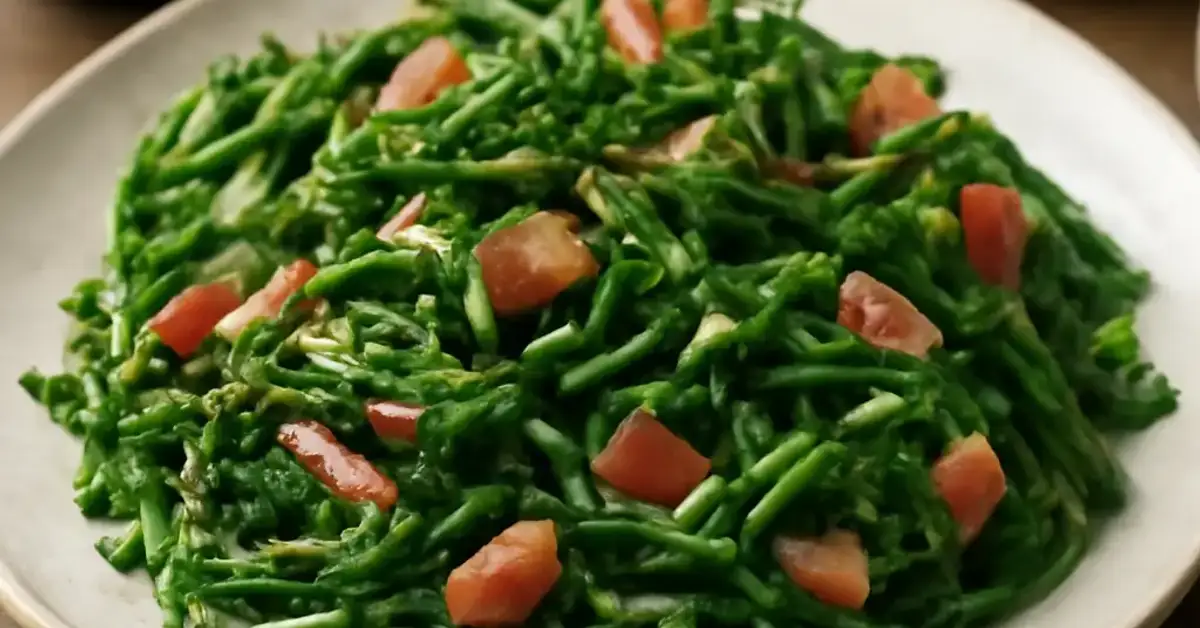
Pampanga Pako Salad is a refreshing Kapampangan dish made from edible fern tips, tomatoes, onions, and a tangy dressing.
- Pampanga Pako Salad uses young fiddlehead ferns called pako , which grow wild in the province’s lush landscapes.
- The dressing typically balances vinegar, calamansi, fish sauce or bagoong, and a touch of sugar — a hallmark of authentic Pako Salad recipe traditions.
- This fern salad Philippines icon is enjoyed as a side dish, appetizer, or light main course, and it pairs beautifully with grilled meats and seafood.
What Readers Should Know About Pampanga Pako Salad
I still remember the first time I stumbled upon a plate of Pampanga Pako Salad. As a digital nomad born and raised in Mindanao — specifically Isulan, Sultan Kudarat — my palate grew up on the earthy, coconut-rich flavors of the south. Now based in Davao City, I thought I had tasted most of what the Philippines offers. But when a Kapampangan friend invited me to a small gathering in Angeles City, everything changed. Between laughter and the sound of sizzling grilled pork belly, a vibrant green heap of fern tips caught my eye. One forkful, and I was hooked. It was simultaneously tangy, salty, slightly sweet, and incredibly fresh. That moment marked the start of my love affair with Kapampangan Pako Salad. For a related guide, see Pampanga Longganisa: The Garlicky Breakfast Delicacy Locals Love.
If you are a Filipino food lover or a health-conscious food lover, this fresh fern delicacy deserves a permanent spot on your table. It is a celebration of traditional Kapampangan cuisine — simple, honest, and bursting with flavor. In this article, I will take you through everything: what it is, how it is made, why it matters, and where to find the best versions in Pampanga and beyond.
What Is Pampanga Pako Salad?
Pampanga Pako Salad is a vegetable salad made from blanched edible fern tips (fiddleheads), tossed with sliced tomatoes, onions, and sometimes salted egg or grilled eggplant. It is dressed in a simple vinaigrette of vinegar, calamansi, and a savory element like fish sauce or bagoong (fermented shrimp paste). Unlike Western salads that rely on leafy greens, this one uses the tender, coiled tips of the pako fern, giving it a unique texture — crisp yet tender, with a subtle grassy flavor.
In Kapampangan food culture, pako has been foraged and cooked for generations. It is part of the province’s deep culinary heritage, where indigenous ingredients are transformed into everyday masterpieces. The salad is often served as Pampanga healthy food because it requires minimal oil and highlights raw, fresh components.
How Is Pako Salad Prepared in Kapampangan Cuisine?
Preparing authentic Pako Salad recipe is straightforward but demands attention to detail. First, the fern tips are harvested young — usually no longer than a hand’s span. They are thoroughly washed to remove any soil or insects, then blanched in boiling water for about 30 seconds to a minute. The goal is to soften the ferns slightly while preserving their crunch and bright green color.
After blanching, the pako is immediately plunged into ice water to stop the cooking process. This step ensures the salad stays crisp. Meanwhile, the dressing is whisked together: Pampanga Pako Salad dressings vary by household, but the classic version uses vinegar (often cane or coconut), calamansi juice, minced garlic, sliced onions, chopped tomatoes, siling haba (long green chili) for gentle heat, and a splash of patis (fish sauce) or mashed bagoong. Some cooks add a pinch of sugar to balance the acidity.
Once the ferns are well drained, they are mixed with the dressing and the vegetables. The salad is best served immediately, at room temperature or slightly chilled. Many Kapampangan families let the salad rest for 10 minutes so the flavors meld, but not longer — the ferns release water if left too long.
What Ingredients Are Used in Traditional Pako Salad?
The beauty of this Filipino vegetable salad lies in its short, local ingredient list. Here are the core components:
- Fresh pako (fern tips): The star ingredient, foraged from riverbanks, rice paddies, or hillsides. Only the young, tightly curled shoots are used.
- Tomatoes: Ripe but firm, sliced into wedges or cubes for acidity and sweetness.
- Onions: Red onions are preferred for their mild bite and color. Shallots also work.
- Long green chili (siling haba): Adds a subtle spicy kick without overwhelming.
- Vinegar: Cane or coconut vinegar provides the tangy base.
- Calamansi: Fresh citrus juice brightens the dressing.
- Fish sauce or bagoong: Supplies the savory, umami depth typical of Kapampangan food culture.
- Sugar: A small amount to round off the sharpness.
Some versions also include salted egg (itlog na maalat), grilled eggplant, or boiled shrimp for extra richness. The dressing is always made from scratch — no bottled sauces allowed in traditional Kapampangan cuisine.
Why Is Pako Salad Popular in Pampanga?
Pampanga Pako Salad is popular because it embodies the Kapampangan philosophy of heritage food Pampanga: transforming humble, wild ingredients into something extraordinary. Pampanga is known as the culinary capital of the Philippines, and its dishes — from sisig to bringhe — rely on bold flavors and local produce. Pako fern grows abundantly in the province’s fertile soil and tropical climate, making it an accessible, zero-cost ingredient for rural families.
Moreover, the salad’s bright, tangy profile perfectly complements the rich, fatty dishes that Kapampangans love, like lechon, chicharon, and adobo. It acts as a palate cleanser and a nutritious counterbalance. Food tourism has also boosted its fame — visitors to Pampanga seek out must-try Pampanga foods, and fresh fern delicacy almost always makes the list.
What Does Pampanga Pako Salad Taste Like?
The taste of Pampanga Pako Salad is a captivating balance of tangy, savory, and slightly bitter notes. The fern itself has a mild, green flavor reminiscent of spinach or asparagus, but with a unique earthy undertone. When blanched correctly, it offers a satisfying crunch — similar to raw green beans but more tender.
The dressing brings the dish to life: the vinegar and calamansi provide sharp acidity, the fish sauce or bagoong adds savory depth (umami), and the sugar softens the edges. Tomatoes and onions contribute natural sweetness and juiciness. The result is a salad that wakes up your taste buds, leaving you craving one more forkful. It’s neither heavy nor cloying — just pure, refreshing flavor.
What Is Pako and Where Does It Grow?
Pako refers to the edible young fronds (fiddleheads) of several fern species, most commonly Diplazium esculentum (vegetable fern) and Athyrium esculentum. In the Philippines, pako grows wild in damp, shaded areas — along riverbanks, rice paddies, forest edges, and even roadside ditches. It thrives in provinces with abundant rainfall and tropical humidity, including Pampanga, Bataan, Quezon, and parts of Mindanao.
Foraging pako is a tradition passed down through generations. Harvesters select only the curled, unopened tips because mature ferns become tough and bitter. Because it grows without cultivation, pako is considered an indigenous vegetable and a staple of regional Filipino cuisine. Its availability depends on the rainy season, although some farmers now cultivate it in small plots to meet demand.
How Does Pampanga Pako Salad Differ From Other Filipino Salads?
Most traditional Filipino salads fall into two categories: fruit-based (like buko salad or fruit cocktail salad) or vegetable-based (like ensaladang mangga or kinilaw na kangkong). Pampanga Pako Salad stands out because it uses a wild foraged green as the base instead of cultivated vegetables or fruits. The texture is also distinct — crunchy yet tender, unlike the softness of blanched kangkong or the firmness of green mango.
Another key difference is the absence of mayonnaise or cream. Filipino fruit salads often rely on sweetened cream or condensed milk, while Kapampangan Pako Salad keeps to a light, savory vinaigrette. This makes it a healthier alternative and a better companion to hearty grilled meats. Additionally, the inclusion of bagoong or fish sauce as a dressing base ties it directly to the savory-sour tradition of Kapampangan food culture rather than the sweet-sour profile of other regional salads.
What Is the History of Pako Salad in Kapampangan Food Culture?
Pako has been part of Kapampangan diets long before the Spanish arrived. Indigenous Aeta communities and early Austronesian settlers foraged ferns as a reliable green vegetable. When Kapampangan cuisine began to formalize its identity — influenced by trade with Chinese, Malay, and Spanish cultures — pako remained a humble but beloved ingredient.
Unlike elaborate dishes like morcon or estofado, Pampanga Pako Salad represents the everyday, resourceful cooking of rural Kapampangan families. It was not recorded in early cookbooks because it was considered too simple. However, oral traditions kept the recipe alive. In the 20th century, as Pampanga emerged as a food tourism destination, chefs and home cooks began to elevate the salad, serving it in restaurants alongside iconic dishes. Today, authentic Pako Salad recipe is proudly presented as part of Pampanga culinary heritage, bridging ancestral knowledge and modern dining.
Why Is Pako Considered a Nutritious Ingredient?
Pako is a nutritional powerhouse, which is why Pampanga Pako Salad is celebrated as Pampanga healthy food. These fern tips are packed with vitamins A and C, iron, calcium, and dietary fiber. They also contain antioxidants like beta-carotene and flavonoids, which help combat inflammation and oxidative stress.
Because pako is foraged from the wild, it is naturally organic — no pesticides or synthetic fertilizers. This aligns with the growing interest in indigenous vegetables Philippines and farm-to-table Filipino cuisine. The salad’s minimal cooking preserves these nutrients, making it a smart choice for nutrition enthusiasts and anyone looking to add more diversity to their plate. Just note that pako should always be cooked (blanched) to remove potential toxins present in raw ferns.
What Dressing Is Commonly Used in Pampanga Pako Salad?
The dressing for Pampanga Pako Salad is a classic vinaigrette with a Filipino twist. Here is a typical breakdown:
- Acid: A mix of cane vinegar and fresh calamansi juice. The ratio is usually 2 parts vinegar to 1 part calamansi, but it varies by taste.
- Savory element: Patis (fish sauce) or mashed bagoong. Some cooks use both, adjusting salt levels carefully.
- Sweetener: A teaspoon of white or muscovado sugar to temper acidity.
- Aromatics: Minced garlic, sliced red onions, and chopped siling haba.
The dressing is whisked together until the sugar dissolves, then poured over the blanched pako and vegetables right before serving. The goal is to coat the ferns lightly, not drown them. This dressing style places Pampanga Pako Salad squarely in the lineage of traditional Kapampangan cuisine — bold, balanced, and respectful of the ingredient.
How Is Pampanga Pako Salad Served During Gatherings and Celebrations?
At Kapampangan fiestas and family reunions, Pampanga Pako Salad often appears as a side dish or appetizer. It is typically presented in a large, shallow bowl, garnished with slices of salted egg or grilled eggplant, and sometimes topped with crispy fried garlic or crushed chicharon for texture. Because it is light and refreshing, it helps cut through the richness of lechon, caldereta, or crispy pata — all staples of Kapampangan celebrations. For a related guide, see Pampanga Chicharon: Crispy Pork Rind Delicacies with a Kapampangan Twist.
During the hot summer months, the salad is especially welcome because it is served cold or at room temperature. Home cooks often double the batch because guests keep coming back for more. It’s not unusual to see a plate of Pampanga Pako Salad completely emptied before the main courses are finished. For tourists visiting Pampanga, tasting this salad is a rite of passage — a way to experience the province’s cultural food heritage Philippines firsthand.
What Dishes Pair Well With Pako Salad?
Pampanga Pako Salad shines as a companion to rich and savory dishes. Here are some classic pairings from Kapampangan food culture:
- Grilled or fried meat: Lechon kawali, inihaw na liempo, pork barbecue, and fried chicken benefit from the salad’s acidity.
- Seafood: Grilled tuna belly, sinuglaw (grilled pork belly with fish ceviche), and fried tilapia are enhanced by the tangy dressing.
- Heavy stews: Adobo, kaldereta, and mechado find balance alongside the crisp, fresh salad.
- Rice-based dishes: Bringhe (Kapampangan paella) and garlic fried rice are excellent bases for the salad.
For a healthy meal, pair the salad with steamed brown rice and grilled fish — a perfect example of healthy regional delicacies that are both satisfying and nutritious.
Where Can You Find Authentic Pampanga Pako Salad?
To taste the most authentic version of Pampanga Pako Salad, head to the towns of Mexico, San Fernando, and Angeles City in Pampanga. Local eateries (carinderia) and Pampanga food heritage restaurants serve it regularly. Some notable spots include:
- Cusina de Pampanga in San Fernando — known for serving traditional Kapampangan cuisine.
- Bale Capampangan in Angeles City — a cultural restaurant that offers heritage food Pampanga.
- Everybody’s Café in San Fernando — one of the oldest Kapampangan restaurants, famous for its authentic dishes.
You can also find Pampanga Pako Salad at weekend markets like the Pampanga Sunday Market at Nepo Mall. If you are outside Pampanga, many Filipino grocery stores carry fresh or frozen pako, allowing you to recreate the dish at home.
What Makes Pampanga Pako Salad a Refreshing Kapampangan Delicacy?
The freshness of the ingredients is the defining quality. Unlike many dishes that rely on heavy sauces or prolonged cooking, Pampanga Pako Salad is as close to nature as possible. The ferns are barely cooked, retaining their snap and chlorophyll-rich flavor. The dressing wakes up the palate without overwhelming it. The contrast between cool greens and room-temperature dressing makes every bite feel cleansing.
Furthermore, the salad embodies the Kapampangan spirit of making the most of what the land provides. It is a reminder that delicious food does not require complexity — just quality ingredients and a respectful hand. This philosophy resonates deeply with food content creators, travel bloggers, and gastronomic tourists who seek authentic, meaningful culinary experiences.
Why Is Pampanga Pako Salad a Favorite Among Health-Conscious Food Lovers?
Pampanga Pako Salad ticks all the boxes for health-conscious food lovers. It is low in calories, high in fiber, rich in vitamins, and free from processed ingredients. The dressing uses natural acids and fermented seasoning, which support digestion. The ferns themselves are a source of plant-based iron — excellent for vegetarians and anyone looking to reduce meat consumption.
Moreover, the dish aligns with the natural and organic Filipino food movement. Since pako is foraged rather than intensively farmed, it appeals to those who value farm-to-table Filipino cuisine. Many nutrition enthusiasts and culinary students study the dish as an example of how indigenous vegetables can meet modern dietary needs. For me, Jin Grey, it has become a go-to recommendation when friends ask, “What’s a healthy, tasty Filipino dish I should try?”
Useful Resources
To learn more about the ingredients and traditions behind this dish, check out these resources:
- Kapampangan Food Culture at the Kapampangan Heritage Center — an excellent site for understanding the history and soul of Kapampangan dishes.
- Philippine Department of Agriculture: Pako Fern Cultivation Guide — offers insights into sustainable harvesting and cultivation of pako across the country.
Frequently Asked Questions About Pampanga Pako Salad
Final Thoughts: Why You Should Try Pampanga Pako Salad
As someone who left the lush farmlands of Sultan Kudarat to explore the culinary treasures of the Philippines, I can honestly say that Pampanga Pako Salad holds a special place in my heart. It is a dish that tells a story — of foragers walking along riverbanks at dawn, of Kapampangan grandmothers passing down recipes, and of a province proud of its culinary heritage. It is proof that the best food is often the simplest, especially when made with care and fresh, local ingredients.
Whether you are a health-conscious food lover, a Kapampangan cuisine enthusiast, or simply a curious Filipino food lover, I urge you to seek out or prepare this salad. Share it with friends, serve it at your next gathering, or enjoy it as a light lunch. Supporting Pampanga Pako Salad also supports regional Filipino cuisine and the farmers and foragers who keep these traditions alive.
Let’s celebrate the flavors of Pampanga — one fern tip at a time. Try Pampanga Pako Salad today, and discover why this fresh fern delicacy has captured the hearts of food lovers across the archipelago.
Frequently Asked Questions About Pampanga Pako Salad
What is Pampanga Pako Salad made of?
It is made of blanched pako fern tips, tomatoes, red onions, siling haba, and a dressing of vinegar, calamansi, fish sauce or bagoong, and a touch of sugar.
Is Pampanga Pako Salad healthy?
Yes, it is low in calories and rich in vitamins A, C, and iron. The minimal cooking preserves nutrients, and the dressing uses natural, unprocessed ingredients.
Can I eat pako raw?
It is not recommended to eat pako raw because it may contain natural toxins. Blanching for 30 seconds to a minute makes it safe while retaining crunch.
Where does pako fern grow?
Pako grows wild in damp, shaded areas such as riverbanks, rice paddies, and forest edges. It is abundant in provinces like Pampanga, Bataan, and Quezon.
What does Pampanga Pako Salad taste like?
It has a mild, grassy flavor similar to spinach or asparagus, with a crunchy-tender texture. The dressing adds tangy, savory, and slightly sweet notes.
How is pako salad different from ensaladang kangkong?
Pako salad uses fern tips that are crunchy even after blanching, while kangkong becomes soft. The dressing is also distinct — pako uses vinegar-calamansi vinaigrette, while kangkong often uses patis and calamansi.
Is Pampanga Pako Salad vegan?
It can be made vegan by replacing fish sauce or bagoong with soy sauce or a vegan fish sauce alternative. The rest of the ingredients are plant-based.
How long does Pampanga Pako Salad last in the fridge?
It is best eaten immediately. If stored, it can last up to 6 hours in the refrigerator, though the ferns may release water and lose crispness.
Can I use frozen pako for this salad?
Yes, frozen pako works well. Thaw and blanch briefly before using. The texture may be slightly softer than fresh, but the flavor remains good.
What is the best vinegar for the dressing?
Cane vinegar or coconut vinegar is traditional. White vinegar can be used in a pinch, but it lacks the subtle fermented character of cane or coconut vinegar.
Is Pampanga Pako Salad served hot or cold?
It is served at room temperature or slightly chilled after blanching and dressing. It should not be served hot.
Why is pako called fiddlehead fern?
The young curled frond resembles the scroll of a violin (fiddle), hence the name fiddlehead fern. In the Philippines, we call it pako.
Can I add protein to this salad?
Yes, many versions include boiled shrimp, grilled fish flakes, or salted egg for extra protein. It works well as a complete meal.
Is Pampanga Pako Salad gluten-free?
Yes, if you use fish sauce or bagoong (both naturally gluten-free), and avoid soy sauce. Always check labels for additives.
What occasions is this salad served for?
It is served at everyday meals, fiestas, family gatherings, and as a staple side dish in Kapampangan restaurants.
Can I grow pako at home?
Yes, pako can be grown in a shaded, moist area of your garden. It spreads through spores and runners, so it requires minimal maintenance.
Is Pampanga Pako Salad expensive to make?
No, it is very affordable. Pako is foraged or sold cheaply, and the dressing uses basic pantry ingredients. It is a budget-friendly nutritious dish.
How do I clean pako properly?
Rinse the fern tips several times in cold water, removing any brown parts or debris. A soak in salted water for 10 minutes helps remove insects.
What does pako smell like?
Fresh pako has a mild, green, slightly earthy aroma. After blanching, the scent becomes more neutral, absorbing the dressing’s fragrance.
Where can I buy pako outside Pampanga?
Look for it in Filipino grocery stores, wet markets, or online sellers that specialize in indigenous vegetables. Frozen pako is also available year-round.

Jin Grey is a Filipino Senior SEO Consultant and AI-First SEO Strategist who helps international brands grow through modern search strategies. She specializes in technical SEO, semantic keyword research, and AI-ready content creation. She is also the owner of JinGrey.com.
As a digital nomad, she loves exploring the world and trying different cuisines during her free time.