
Palawan Tuna Kilawin Key Takeaways
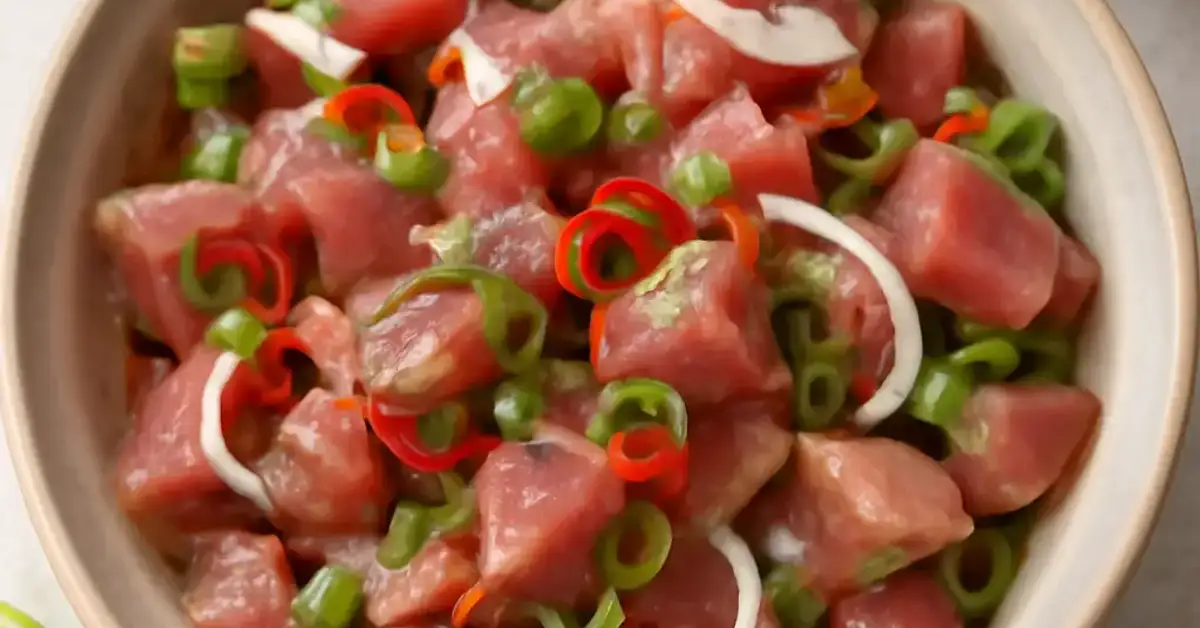
Palawan tuna kilawin is a vibrant Filipino raw fish dish that captures the essence of island seafood cuisine .
- Palawan tuna kilawin uses ultra-fresh tuna caught in the pristine waters around the island, which gives it a clean, sweet flavor.
- The citrus marinade denatures the protein without heat, creating a firm yet tender texture that is characteristic of this Filipino raw fish dish .
- Unlike some versions of kinilaw, the Palawan style emphasizes a bold, zesty citrus punch and simple, fresh ingredients that let the fish shine.
What Readers Should Know About Palawan Tuna Kilawin
I have traveled across the Philippines, from the bustling markets of Davao City to the quiet fishing villages of Palawan, and I can tell you this: Palawan tuna kilawin is a dish that stays with you. It is not just about eating raw fish — it is about understanding how a tropical community transforms its daily catch into something celebratory.
This tuna kilawin Philippines specialty belongs to a broader family of Filipino raw fish dish known as kinilaw, which predates Spanish colonization. Locals in Palawan have perfected the balance of acidity and freshness, often using tuna caught only hours before preparation. The dish reflects a culture that respects the sea and understands how to highlight its gifts without masking them.
Whether you are a seafood lover planning a trip to Puerto Princesa or a culinary explorer curious about authentic Filipino delicacy, understanding what makes Palawan tuna kilawin special will deepen your appreciation for island life. For a related guide, see Palawan Prawn Sinigang: The Sour Seafood Delicacy with Tropical Flavor.
What Makes Palawan Tuna Kilawin a Unique Citrus-Marinated Tuna Dish?
At its core, Palawan tuna kilawin is a citrus-marinated tuna preparation, but several factors set it apart from other versions found across the archipelago. First, the tuna species. Fishermen in Palawan typically catch skipjack, yellowfin, or bigeye tuna, all of which have firm flesh and a clean, mild flavor that stands up well to acidic marinades.
The Science of Citrus Curing
When you soak cubes of fresh tuna delicacy in calamansi or dayap juice, the acid gently denatures the protein molecules. This process turns the opaque exterior of the fish to a white or light beige color while keeping the interior tender. Unlike cooking with heat, citrus curing preserves the natural moisture and delicate taste of the fish. That is why Palawan tuna kilawin tastes so bright and fresh — the acid coaxes out flavor rather than destroying it.
Key Ingredients That Define the Dish
Beyond the fish, the supporting cast of ingredients makes this kinilaw na tuna sing. Fresh ginger slices add a subtle warmth; red onion rings give crunch; siling labuyo (native chili) contributes heat; and a bit of coconut milk or vinegar sometimes rounds out the acidity. Each bite delivers layers of tangy, spicy, and savory notes — a true zesty seafood recipe that wakes up your palate.
How to Make a Traditional Kilawin Recipe Like a Palawan Local
If you want to recreate this authentic Filipino delicacy at home or impress your travel companions at a beachside eatery, follow these steps. The key is ingredient freshness and timing.
Step 1: Source the Freshest Tuna
Look for fresh catch Palawan-quality tuna — the flesh should be deep red, smell like the sea (not fishy), and feel firm to the touch. If you are in Palawan, head to the early morning market in Puerto Princesa or ask a local fisherman. For those elsewhere, buy sushi-grade tuna from a trusted fishmonger.
Step 2: Cube and Rinse
Cut the tuna into bite-sized cubes, about 1 to 1.5 centimeters. Rinse the cubes quickly under cold water to remove any blood or scales, then pat dry with a paper towel. Some cooks in Palawan lightly salt the fish at this stage to draw out extra moisture.
Step 3: Prepare the Citrus Marinade
Squeeze fresh calamansi or dayap juice — you will need enough to fully submerge the fish. For 500 grams of tuna, use about ½ cup of juice. Add a tablespoon of vinegar (coconut vinegar is traditional), a teaspoon of salt, and half a teaspoon of sugar to balance the acidity.
Step 4: Marinate and Mix
Combine the tuna cubes with the marinade in a glass or ceramic bowl. Add thinly sliced ginger, red onion rings, and chopped siling labuyo. Toss gently, then refrigerate for 15 to 20 minutes. Do not over-marinate — the fish will toughen if left too long.
Step 5: Serve Immediately
Once the tuna has turned opaque on the outside but remains soft inside, transfer it to a serving plate. Garnish with fresh cilantro or sliced cucumber. Serve this tuna appetizer Philippines-style with warm rice, salted egg, or crispy fried fish skin.
Comparing Kilawin and Ceviche: What Is the Difference?
A common question I hear from travelers is whether Palawan tuna kilawin is the same as Filipino ceviche. While both are raw fish dishes cured in acid, key differences exist.
| Aspect | Kilawin (Philippines) | Ceviche (Latin America) |
|---|---|---|
| Acid source | Calamansi, dayap, or vinegar | Lime or lemon juice |
| Fish cut | Cubes or strips | Small cubes or slices |
| Additional ingredients | Ginger, onion, chili, sometimes coconut milk | Onion, chili, cilantro, tomato |
| Marination time | 15–30 minutes (short) | 15–60 minutes (varies) |
| Texture after curing | Firm and slightly chewy | Soft and almost creamy |
| Cultural origin | Pre-colonial Filipino fishing communities | Indigenous Andean coastal cultures |
In short, while both are tropical seafood dishes,Palawan tuna kilawin uses a sharper, shorter cure and distinct Filipino aromatics like ginger and calamansi, giving it a more pronounced citrus punch and a firmer bite.
Health Benefits of Eating Tuna Kilawin Philippines Style
Many food lovers ask me whether tuna kilawin Philippines preparations are healthy. The answer is yes, when made with fresh, high-quality fish. Raw tuna is packed with omega-3 fatty acids, high-quality protein, and essential minerals like selenium and magnesium. The citrus and ginger aid digestion and provide antioxidants.
However, there are important safety considerations. Always choose ocean-fresh tuna dish from reputable sources. The fish must be handled with care — kept chilled from catch to kitchen. Pregnant women, young children, and individuals with compromised immune systems should consult a doctor before consuming raw seafood.
When prepared properly, this Filipino seafood salad is a light, nutritious option that fits well into a balanced diet, especially for those who love seafood delicacies Palawan offers.
Palawan Seafood Specialties: A Island Food Guide for Travelers
Palawan is a paradise for anyone who loves seafood. Its waters are rich with marine life, and local cooks have developed a repertoire of dishes that highlight the freshness of each catch. Besides Palawan tuna kilawin, you will find grilled tiger prawns, coconut crab (known as tatus), and the famous Tamilok (woodworm) served as a kinilaw. For a related guide, see Palawan Grilled Blue Marlin: The Meaty Seafood Delicacy from Local Waters.
For the best experience, visit Palawan local food markets such as the Iwahig River Wharf or the seafood strip in Sabang. Many small eateries offer catch-of-the-day options where you can choose your fish and watch it being prepared. Pair your kilawin recipe version with a cold San Miguel beer or fresh buko juice for a true island experience.
As a Digital Nomad and Filipino, I always encourage fellow travelers to step out of tourist restaurants and into local carenderias. That is where you will find the most authentic Palawan tuna kilawin — made by hand, with love, and with the kind of traditional Filipino seafood wisdom passed down through generations.
Pairing Suggestions for a Memorable Tuna Appetizer Philippines Meal
A great Palawan tuna kilawin deserves equally great accompaniments. Here are my favorite pairings after years of tasting across the islands:
- Steamed jasmine rice: The neutral, fluffy rice balances the tangy marinade and makes the dish a filling meal.
- Grilled eggplant with bagoong: The smoky, earthy flavor of grilled eggplant contrasts beautifully with the bright, zesty fish.
- Crispy pata or lechon kawali: For a textural contrast, pair the soft raw fish with crunchy fried pork skin.
- Fresh mango or papaya slices: The natural sweetness of tropical fruit complements the citrus and chili in the kilawin.
- Iced calamansi juice or cold beer: The acidity of both drinks cuts through the richness of the fish, refreshing your palate.
Why Palawan Tuna Kilawin Is a Seafood Lover’s Favorite Tropical Delicacy
When I think about the dishes that define Filipino coastal cuisine, Palawan tuna kilawin stands out. It is simple yet complex, traditional yet adaptable, and above all, it reflects the bounty of the sea that surrounds us. For seafood lovers and culinary explorers, tasting this dish is like reading the story of Palawan in every bite — a story of clear waters, hardworking fishermen, and a culture that celebrates freshness above all else.
I invite you to try Palawan tuna kilawin on your next visit to the Philippines. Whether you are lounging on the white sands of El Nido or exploring the underground river in Puerto Princesa, seek out this zesty, refreshing dish. It will likely become one of your most memorable Palawan seafood specialties.
Useful Resources
For further reading on traditional Filipino seafood dishes and food safety, consider these resources:
- Rappler: A History of Kinilaw, the Original Filipino Ceviche — An in-depth look at the cultural roots of kinilaw.
- FoodSafety.gov: Safe Handling of Raw Fish and Shellfish — Official guidelines for safely preparing and storing raw seafood at home.
Frequently Asked Questions About Palawan Tuna Kilawin
What is tuna kilawin?
Tuna kilawin is a Filipino raw fish dish where fresh tuna cubes are marinated in citrus juice (usually calamansi or dayap) and seasoned with ginger, onion, chili, and sometimes vinegar. The acid cures the fish without heat, resulting in a firm, tangy, and refreshing appetizer.
How is tuna kilawin made?
Fresh tuna is cut into bite-sized cubes, rinsed, and then submerged in a mixture of calamansi juice, vinegar, salt, and sugar. Sliced ginger, red onion, and chili peppers are added. The fish is refrigerated for 15–30 minutes until the exterior turns opaque, then served immediately.
What makes Palawan tuna kilawin special?
Palawan tuna kilawin stands out because of the exceptional quality of tuna caught in the clean, nutrient-rich waters around the island. The local preparation emphasizes a bold citrus punch, simple fresh ingredients, and minimal marination time to preserve the delicate texture of the fish.
Is tuna kilawin the same as kinilaw?
Tuna kilawin is a specific type of kinilaw. Kinilaw is the general term for any Filipino raw fish dish cured in acid (vinegar or citrus). Kilawin usually refers to a version that uses a shorter marination and often includes ginger and chili, while kinilaw can have a wider range of ingredients.
What does tuna kilawin taste like?
It tastes bright, tangy, and slightly spicy. The citrus marinade provides a zesty flavor that complements the clean, mild taste of fresh tuna. The ginger adds a subtle warmth, and the chili gives a gentle heat. The texture is firm yet tender. It is a zesty seafood recipe that feels refreshing and light.
Is tuna kilawin served raw?
Yes, the tuna is served raw but has been transformed by the acidic citrus marinade. The acid denatures the protein, so the fish is not cooked with heat but is chemically “cooked” by the acid. It remains raw in the sense that no heat is applied.
How does citrus cure raw fish?
The citric acid in calamansi, lemon, or lime juice causes the protein strands in the fish to unravel and coagulate, similar to what happens when heat is applied. This changes the texture from soft and translucent to firmer and opaque, while also killing some surface bacteria.
What type of tuna is used in kilawin?
Yellowfin tuna and skipjack tuna are the most common choices because of their firm texture and clean flavor. Bigeye tuna is also used occasionally. The fish should always be sushi-grade and extremely fresh for safe consumption.
Is tuna kilawin healthy?
Yes, in moderation. Tuna is rich in omega-3 fatty acids, high-quality protein, and essential minerals like selenium. The citrus and ginger provide additional antioxidants. However, because it contains raw fish, it carries a small risk of foodborne illness. Choose fresh, properly handled tuna and consume soon after preparation.
Why is kilawin popular in the Philippines?
Kilawin has deep roots in Filipino culinary history, dating back to pre-colonial times when vinegar and citrus were used as natural preservatives in a tropical climate. It is also a way to celebrate the abundance of fresh seafood, especially in coastal regions like Palawan.
What ingredients are used in tuna kilawin?
The main ingredients are fresh tuna, calamansi or dayap juice, vinegar (coconut vinegar is traditional), ginger, red onion, siling labuyo (native chili), salt, and a pinch of sugar. Some versions add coconut milk, cucumber, or cilantro.
Can tourists try tuna kilawin in Palawan?
Absolutely. Palawan tuna kilawin is widely available in local restaurants, beachfront eateries, and even in food markets in Puerto Princesa and El Nido. It is a must-try for any food lover visiting the island.
What seafood dishes are famous in Palawan?
Besides Palawan tuna kilawin, famous dishes include grilled tiger prawns, coconut crab (tatus), Tamilok (woodworm kinilaw), sinuglaw (grilled pork belly with kinilaw), and various grilled reef fish.
Is kilawin safe to eat?
When prepared with fresh, properly handled fish and consumed immediately, kilawin is generally safe for healthy individuals. Always eat it at reputable establishments where you can see the fish being prepared. Avoid it if you are pregnant, immunocompromised, or have concerns about raw seafood.
What is the difference between kilawin and ceviche?
Both are raw fish dishes cured in acid, but kilawin typically uses calamansi or vinegar and includes ginger and chili. Ceviche traditionally uses lime juice and includes cilantro and tomato. Kilawin has a firmer, slightly chewier texture due to the shorter marination time.
Why do Filipinos enjoy raw fish dishes?
It is rooted in tradition. Before refrigeration, coastal communities used vinegar and citrus to preserve fish, and the method evolved into a beloved culinary practice. The flavors are also ideal for the hot climate — bright, acidic, and refreshing.
What gives tuna kilawin its citrus flavor?
The prominent citrus taste comes from fresh calamansi juice, sometimes combined with dayap (Philippine lime) or native lemon. These citrus fruits have a distinctive floral, tart flavor that is central to the dish.
How fresh should fish be for kilawin?
As fresh as possible. Ideally, the tuna should be caught the same day and kept chilled. For best results, use fish that has been stored at near-freezing temperatures and has no fishy smell. Many local fishermen in Palawan prepare kilawin from their morning catch.
What side dishes pair well with tuna kilawin?
Steamed rice is a classic pairing. For a fuller meal, serve it with grilled eggplant with bagoong, crispy fried pork, fresh tropical fruit, or a cold bottle of beer. A simple salad of sliced cucumbers also complements the dish.
Why is Palawan known for seafood delicacies?
Palawan is surrounded by some of the most biodiverse and pristine waters in the Philippines, providing an abundant supply of high-quality fish and shellfish. The local culinary culture has refined simple methods — like kilawin — that highlight the natural flavors of these ingredients.

Jin Grey is a Filipino Senior SEO Consultant and AI-First SEO Strategist who helps international brands grow through modern search strategies. She specializes in technical SEO, semantic keyword research, and AI-ready content creation. She is also the owner of JinGrey.com.
As a digital nomad, she loves exploring the world and trying different cuisines during her free time.