
Palawan Seafood Paella Key Takeaways
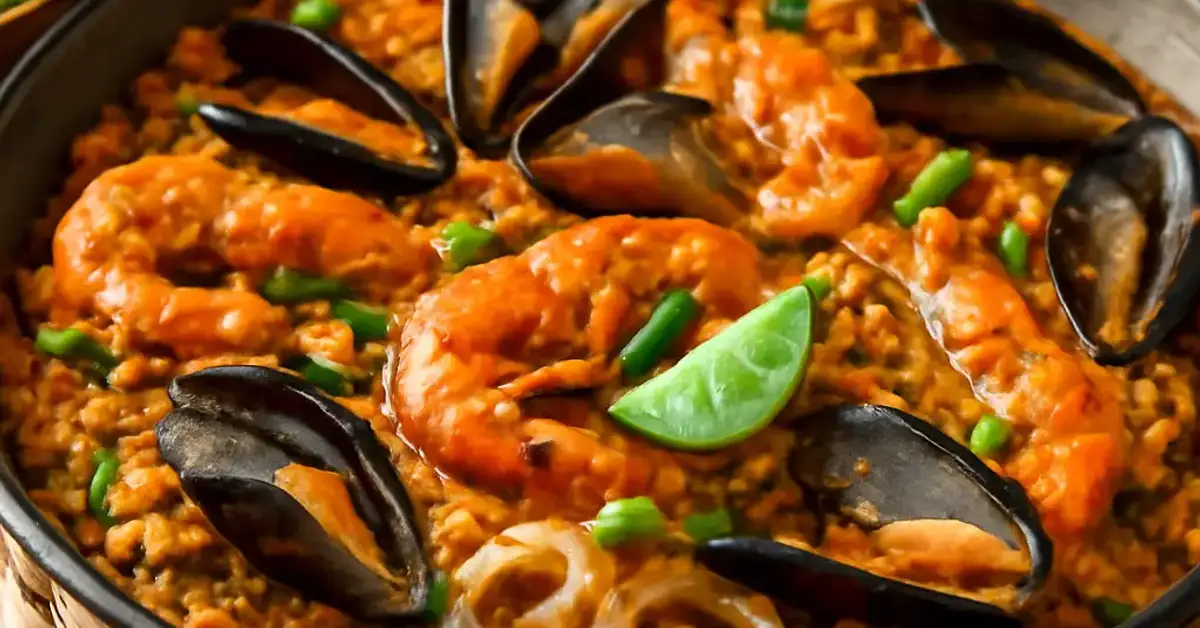
Palawan seafood paella is a vibrant, island-inspired rice dish that blends the freshest catch from the Sulu Sea with the beloved Spanish-born cooking tradition.
- Palawan seafood paella uses locally caught seafood — think tiger prawns, blue swimming crabs, and golden trevally — for unmatched freshness and flavor.
- The dish is a signature example of Filipino seafood paella , where traditional paella recipe techniques meet tropical island ingredients like lemongrass, coconut milk, and native calamansi.
- Palawan seafood specialties such as this paella are best enjoyed beachside, making it a must-try for tourists seeking authentic seafood paella Philippines experiences.
What Makes Palawan Seafood Paella a True Island-Inspired Rice Dish
When I first moved to Davao City and began my journey as a digital nomad, I made it a mission to explore the best food the Philippines has to offer. Growing up in Isulan, Sultan Kudarat, I was surrounded by rich agricultural traditions — but the ocean always called to me. On a trip to Puerto Princesa, I discovered a dish that perfectly encapsulates the soul of island life: Palawan seafood paella.
Unlike the Spanish original, which often relies on imported chorizo and bomba rice, the seafood paella Philippines version embraces what is local. Palawan seafood specialties like mangrove crab, spiny lobster, and dayap (native lime) infuse every grain with a distinctly tropical personality. The rice absorbs a broth made not just from saffron but also from coconut milk and ginger, creating layers of flavor that speak of coastal mornings and fisherman nets heavy with the morning’s fresh catch paella.
What sets this island-inspired rice dish apart is its spirit of abundance. A single pan can feed a family or a group of friends, making it a centerpiece for gatherings — a true seafood feast platter that celebrates togetherness. The seafood is never overcooked; instead, each piece — whether a plump shrimp, a tender mussel, or a piece of flaky reef fish — is treated with respect, added at just the right moment so it retains its natural sweetness.
Key Ingredients That Make Palawan Seafood Paella a Must-Try
The magic of Palawan seafood paella
lies in its components. Every ingredient tells a story of the island’s geography and culture.</p>
Fresh Catch Seafood: The Soul of the Dish
Restaurants along the beaches of El Nido and Coron source their seafood daily from local fishermen. You will commonly find:
- Shrimp and mussel paella ingredients: tiger prawns, green mussels, and clams that open just as the rice finishes cooking.
- Squid, octopus, and chunks of grouper or snapper — all adding different textures to the mixed seafood rice.
- Crab legs, sometimes included for a decadent seafood lovers favorite experience.
Saffron Rice: The Golden Foundation
While traditional paella relies heavily on saffron, island-style paella often substitutes or complements it with turmeric and annatto seeds, giving the rice a warm amber hue. The saffron rice dish base is cooked in a shallow, wide pan (the paellera) so that the bottom forms a crusty socarrat — a prized, slightly burnt layer that adds crunch. The broth is infused with fish bones, shrimp heads, and lemongrass, creating a deeply savory seafood rice recipe that is both aromatic and satisfying.
Local Aromatics and Seasonings
What elevates Filipino seafood paella from its European cousin is the bold use of local ingredients:
- Calamansi juice gives acidity that balances the richness of the seafood.
- Siling haba (long green chili) adds mild heat without overpowering.
- Fish sauce (patis) and bagoong (fermented shrimp paste) contribute umami depth.
- Fresh ginger, garlic, and onion form the aromatic base that every traditional paella recipe relies on.
How to Cook Palawan Seafood Paella at Home: A Step-by-Step Guide
You do not need to be in Palawan to enjoy this tropical rice meal. With the right ingredients and a bit of patience, you can recreate the experience in your own kitchen. Here is a straightforward method adapted from what I learned from a local cook in Port Barton.
Step 1: Prepare the Seafood and Broth
Start with a mix of fresh catch paella ingredients. Clean shrimp, scrub mussels, and cut squid into rings. Boil the shrimp shells and fish bones with water, ginger, and lemongrass for 15 minutes to create a stock. Strain and set aside.
Step 2: Sauté the Aromatics
In a paellera or wide skillet, heat oil and sauté garlic, onion, and siling haba until fragrant. Add tomatoes and cook until they soften. This forms the flavor base for your seafood rice delicacy.
Step 3: Toast the Rice and Add Broth
Stir in 2 cups of jasmine or bomba rice, coating it with the aromatics. Pour in 4 cups of your prepared seafood stock, add saffron threads (or turmeric), and season with fish sauce and salt. Bring to a boil, then reduce heat to a simmer. Do not stir after this point — let the rice cook undisturbed for about 18 minutes.
Step 4: Arrange the Seafood
When the rice is almost tender but still slightly wet, arrange the shrimp, mussels, clams, squid, and fish pieces on top. Press them gently into the rice. Cover the pan with foil or a lid and cook for another 5 to 7 minutes until the seafood is cooked through and the mussels open.
Step 5: Rest and Serve
Remove from heat and let the paella rest for 5 minutes. Squeeze calamansi juice over the top, garnish with fresh parsley or cilantro, and serve directly from the pan. This ocean-inspired cuisine tastes best when shared with family and friends.
Where to Experience Palawan Seafood Paella: Beaches and Restaurants
If you are planning a trip to Palawan, you do not have to cook it yourself — expert chefs across the island serve incredible versions of this flavorful rice dish. Here are my top recommendations based on personal visits:
Puerto Princesa: The Gateway to Palawan Seafood Specialties
In the capital, restaurants along Rizal Avenue offer Palawan local food that includes paella. My go-to spot is Kalui Restaurant, a bamboo-themed dining room where the seafood paella Philippines comes loaded with blue crab and squid. Another favorite is La Terrasse, which adds a French-Asian twist with aioli and roasted cherry tomatoes. For a related guide, see Palawan Grilled Blue Marlin: The Meaty Seafood Delicacy from Local Waters.
El Nido: Beachfront Dining at Its Finest
For beachside dining Philippines style, head to El Nido Resorts’ Lagen Island. Their island-style paella is cooked in a traditional paellera right on the sand, using seafood caught that morning. The view of the limestone karsts while you enjoy your seafood feast platter is nothing short of magical.
Coron: Seafood Delicacies Palawan at Its Best
In Coron, Bistro Coron serves an authentic seafood rice dish that rivals any I have tried. They use local crab and prawns, and the socarrat is perfectly crisp. The coastal Filipino cuisine here pairs wonderfully with a cold bottle of San Miguel Pale Pilsen.
Why Travelers and Food Lovers Keep Coming Back to This Dish
Palawan seafood paella is more than just a meal — it is a Palawan culinary experience that connects you to the island’s resources and traditions. Travelers are drawn to its generous portions and the way it reflects the spirit of bayanihan (community cooperation). When I shared a pan at a beach hut in Sabang with fellow digital nomads from Korea, Germany, and Australia, the conversation flowed as freely as the calamansi-laden rice.
This dish also answers a common question: What is seafood paella? It is a one-pan rice dish that highlights the ocean’s bounty, cooked slowly so that every grain of rice absorbs the essence of the sea. How is seafood paella made? By layering flavors — starting with a sofrito, building up with a rich stock, and finishing with carefully placed seafood that steams to perfection. What makes Palawan seafood paella special? It is the marriage of Spanish technique with Filipino soul — the use of local ingredients like dayap and patis that you will not find in any Valencian kitchen.
Useful Resources
For more about the origins of paella and Filipino adaptations, visit these trusted sources:
- Britannica – History of Paella: Learn about the traditional Valencian roots of this iconic rice dish.
- Damn Good Youth – How to Make Palawan Seafood Paella: A practical recipe guide with tips from local Palawan cooks.
Conclusion: Savor the Island Spirit Through Palawan Seafood Paella
As a Filipino who loves discovering what makes each region special, I can confidently say that Palawan seafood paella is one of the most rewarding dishes you will ever try. It brings together the best of our coastal traditions — the communal joy of sharing food, the pride in using local Palawan seafood specialties, and the creativity of Filipino cooks who adapt a foreign recipe into something uniquely our own. Whether you are enjoying it on a white sand beach in El Nido or cooking it in your own kitchen, this seafood rice delicacy delivers the warm, vibrant taste of island life. Next time you find yourself craving something truly oceanic and satisfying, seek out a plate of Palawan seafood paella. I promise you, it is worth every flavorful grain. For a related guide, see Palawan Grilled Lobster: The Island Delicacy Perfect for Seafood Lovers.
Frequently Asked Questions About Palawan Seafood Paella
What is seafood paella?
Seafood paella is a Spanish-inspired rice dish cooked in a wide, shallow pan with a variety of seafood such as shrimp, mussels, clams, squid, and fish. It is flavored with saffron, garlic, and stock, and is known for its rich golden color and crispy bottom layer called socarrat.
How is seafood paella made?
It begins with sautéing aromatics like onion, garlic, and tomato. Rice is added, then a flavorful seafood stock poured in. The rice cooks undisturbed before seafood is arranged on top and steamed for a few minutes until done. The result is a seafood rice delicacy bursting with the taste of the ocean.
What makes Palawan seafood paella special?
The use of freshly caught local seafood such as mangrove crab, tiger prawns, and reef fish, combined with Filipino ingredients like calamansi, ginger, and fish sauce, gives it a unique tropical twist. It is a prime example of Filipino fusion cuisine that honors both tradition and place.
What seafood is used in paella?
Typical choices include shrimp, mussels, clams, squid, octopus, and firm white fish like grouper or snapper. In Palawan, you might also find spiny lobster and Palawan seafood specialties such as blue swimming crab.
Why is seafood paella popular in coastal areas?
Coastal communities have immediate access to the freshest catch, making it natural to base a celebratory dish around seafood. The one-pan cooking method is also ideal for beachside dining Philippines, where minimal utensils and easy cleanup are appreciated.
Is seafood paella a traditional Filipino dish?
Not in origin — it was introduced by Spanish colonizers — but the Philippines has adapted it so thoroughly that it has become a staple in coastal regions like Palawan. Today, it is considered part of coastal Filipino cuisine and a must-try for visitors.
What type of rice is used for paella?
Authentic paella uses short-grain rice like bomba or calasparra because it absorbs liquid without becoming mushy. In Palawan, jasmine rice is sometimes substituted for its fluffy texture and floral aroma, still producing a delicious saffron rice dish.
How does seafood add flavor to paella?
Seafood releases natural juices and umami compounds during cooking. Shrimp shells and fish bones are often simmered into the stock, infusing the rice with deep, savory notes that make each bite of this island-inspired rice dish intensely satisfying.
Can fresh catch seafood be used in paella?
Absolutely — and it is recommended. Using just-caught seafood enhances the fresh catch paella experience, providing sweeter meat and a more delicate texture. Local Palawan restaurants pride themselves on sourcing directly from boats.
What makes paella rich in flavor?
Layering is key: a sofrito of aromatics, a concentrated seafood stock, saffron or turmeric, and the caramelization of rice at the bottom create rich seafood flavors. The addition of fish sauce and calamansi amplifies the depth further.
Is seafood paella healthy?
Yes, it can be part of a balanced diet. It provides lean protein from seafood, complex carbohydrates from rice, and healthy fats. To keep it lighter, use less oil and include plenty of vegetables like bell peppers and peas. It is a nutritious tropical rice meal.
What side dishes go well with seafood paella?
A crisp green salad with vinaigrette, grilled vegetables, or a simple mango salsa complement the paella beautifully. For a true Filipino seafood platter, serve with fried garlic rice and a side of spicy vinegar dipping sauce.
Where can tourists try seafood paella in Palawan?
In Puerto Princesa, visit Kalui Restaurant or La Terrasse. In El Nido, try the paella at Lagen Island Resort. In Coron, Bistro Coron is a top choice. These venues highlight Palawan food specialties in a memorable setting.
What seafood dishes are famous in Palawan?
Besides paella, the island is known for grilled lato (sea grapes) salad, kinilaw na tanigue (Filipino ceviche), shrimp sinigang, and stuffed squid. These seafood delicacies Palawan offerings showcase the region’s bounty.
Why do travelers enjoy seafood paella?
It is a photogenic, shareable dish that embodies the island lifestyle. The combination of delicate seafood, fragrant rice, and smoky char from the pan creates a seafood lovers favorite experience that feels both luxurious and casual.
What seasonings are used in seafood paella?
Common seasonings include saffron, smoked paprika, garlic, parsley, black pepper, and salt. In the Philippines, fish sauce, calamansi, and ginger are also used, giving the Filipino seafood paella an unmistakable local character.
Is paella good for sharing with family and friends?
Yes — paella is traditionally cooked in large portions and served straight from the pan, making it a perfect communal dish. The seafood feast platter style encourages everyone to dig in together, making any meal feel like a celebration.
What makes island-style seafood paella unique?
Island-style paella incorporates local tropical ingredients such as coconut milk, lemongrass, and native limes, and uses seafood that is indigenous to the region. This adaptation creates a lighter, brighter flavor profile compared to the original Spanish version.
Why is Palawan known for fresh seafood?
Palawan’s location in the Sulu Sea makes it a rich fishing ground. The island has a strong tradition of small-scale fishing, and many restaurants buy directly from fishers, ensuring the catch reaches the table within hours. This commitment to freshness elevates every Palawan seafood paella.
What are the best rice dishes in Palawan?
Top rice dishes include Palawan seafood paella, fried rice with adobo flakes, and rice cooked in coconut milk with ginger and lemongrass. For a flavorful rice dish that showcases the island’s resources, the paella is unmatched.

Jin Grey is a Filipino Senior SEO Consultant and AI-First SEO Strategist who helps international brands grow through modern search strategies. She specializes in technical SEO, semantic keyword research, and AI-ready content creation. She is also the owner of JinGrey.com.
As a digital nomad, she loves exploring the world and trying different cuisines during her free time.