
Palawan Chicken Inasal Key Takeaways
Palawan chicken inasal is more than just grilled chicken — it is a smoky, tangy island specialty that captures the soul of coastal Filipino cooking.
- Palawan chicken inasal stands out for its bright orange color, citrusy marinade, and irresistibly smoky finish.
- Unlike standard Filipino grilled chicken , inasal uses a basting technique with annatto-infused oil that keeps the meat juicy and adds a tropical twist.
- Tourists visiting Palawan should prioritize this dish — it represents the best of local dishes Palawan and the region’s love for charcoal-grilled chicken .
What Makes Palawan Chicken Inasal a True Island Treasure
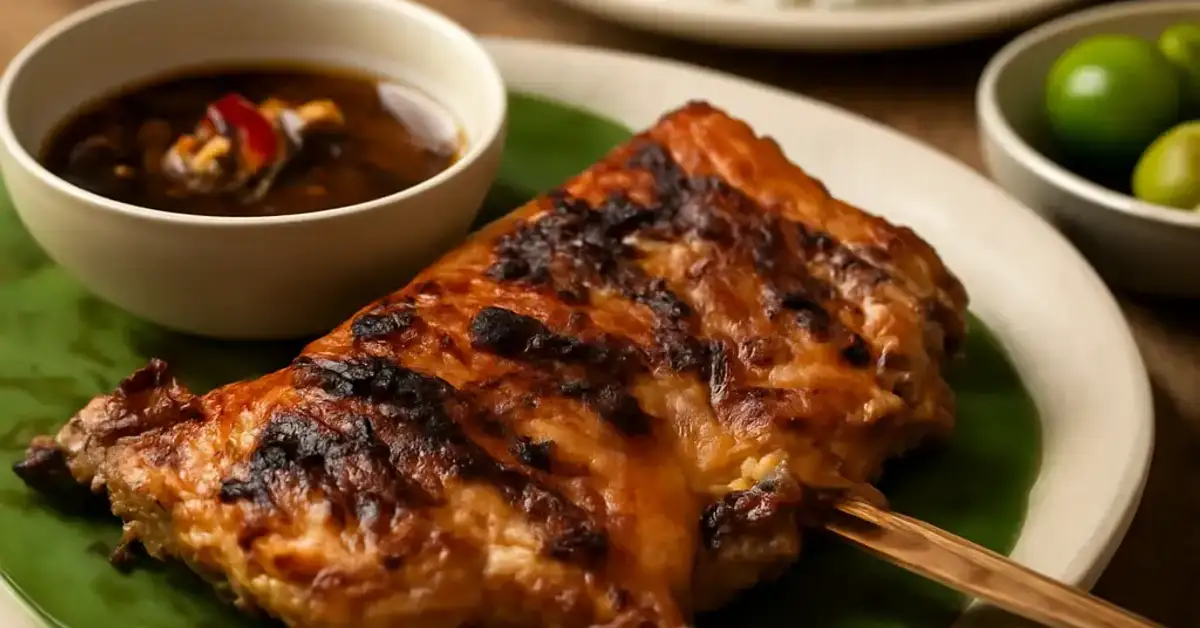
I still remember my first bite of Palawan chicken inasal. I was sitting on a wooden bench along the beachfront in Puerto Princesa, the salty breeze mixing with the scent of smoldering coconut husks. A vendor placed a sizzling plate in front of me — a quarter leg, glossy with orange oil, edges charred to perfection. That moment, I understood why chicken inasal Philippines holds a sacred spot in our culinary heart. Growing up in Isulan, Sultan Kudarat, I knew Filipino grilled chicken well — my grandmother would fire up the charcoal-grilled chicken on weekends, basting it with her secret soy-vinegar mix. But this was different. This was island-style chicken inasal, a dish that tastes like the tropics in every bite.
The Origins of Chicken Inasal: From Bacolod to Palawan
What is chicken inasal? At its core, it is a Filipino barbecue dish that originated in Bacolod City on Negros Island. The word “inasal” comes from the Hiligaynon term “asl,” meaning “to roast over fire.” Over decades, the recipe traveled across the archipelago, and Palawan adopted it with local twists. Today, grilled chicken Palawan style often uses indigenous ingredients like tanglad (lemongrass) and native limes, giving it a distinctly coastal character. This migration turned Filipino street food into a regional icon.
Why Is Chicken Inasal Popular in the Philippines?
Why is chicken inasal popular in the Philippines? Because it answers our love for bold, savory flavors and communal dining. Filipinos gather around grilled delicacies Philippines for celebrations, fiestas, and ordinary Tuesday dinners. Chicken inasal is affordable, satisfying, and endlessly customizable. Whether you get it from a roadside stall in Davao or a beachfront grill in El Nido, it delivers the same comfort: juicy meat, smoky aroma, and that tangy kick that wakes up your taste buds.
The Unique Flavor Profile of Palawan Chicken Inasal
What does chicken inasal taste like? Imagine smoky grilled chicken that has been soaked in a bright, sour marinade of calamansi (Philippine lime), garlic, ginger, and lemongrass, then painted with annatto oil as it cooks. The result is a tropical grilled delicacy — citrusy, garlicky, slightly sweet, and deeply charred. Unlike ordinary chicken barbecue Palawan or standard BBQ, inasal carries a vibrant orange hue and a glossy sheen. It is not just grilled; it is basted repeatedly, creating layers of flavor. The skin becomes crisp, while the meat stays tender thanks to the acidic marinade. For a related guide, see Palawan Prawn Sinigang: The Sour Seafood Delicacy with Tropical Flavor.
What Makes Chicken Inasal Different from Barbecue?
What makes chicken inasal different from barbecue? Barbecue in the Philippines usually refers to skewered pork or chicken with a sweet soy-based sauce. Inasal uses a thinner, tangier marinade, no skewers, and is basted with annatto oil. The cooking method is also distinct: traditional Filipino grilling over low, steady charcoal reduces flare-ups and allows the smoke to permeate the meat slowly. That difference — the combination of marinade, basting oil, and charcoal technique — sets grilled chicken delicacy apart from every other Filipino barbecue dish.
How Is Chicken Inasal Cooked? Step-by-Step Process
How is chicken inasal cooked? The process is deceptively simple but requires patience. Here is a general outline of the method used across Palawan kitchens.
Step 1: Prepare the Marinade
Crush garlic, ginger, and lemongrass. Mix with calamansi juice, a splash of vinegar, salt, pepper, and a touch of brown sugar. This mixture tenderizes the chicken and builds the base chicken inasal recipe foundation.
Step 2: Marinate Overnight
Submerge chicken pieces — usually legs, thighs, or wings — in the marinade for at least 6 hours, preferably overnight. This step is critical for achieving that characteristic island-style chicken inasal tang.
Step 3: Prepare Annatto Oil
Heat oil with annatto seeds (atsuete) until the oil turns deep orange. Strain and reserve. This oil is the secret weapon — it gives charcoal-grilled chicken its iconic color and helps the skin crisp without burning.
Step 4: Grill Over Low Charcoal
Arrange chicken on a clean grill over steady, low traditional Filipino grilling coals. Baste with annatto oil every few minutes, turning the pieces for even char. Cooking takes about 25–35 minutes depending on thickness. The goal is a deep amber crust and juicy interior.
What Foods Are Famous in Palawan? The Inasal Connection
What foods are famous in Palawan? Aside from fresh seafood like tamilok (woodworm) and kinilaw, Palawan chicken inasal ranks among the top must-try items. It embodies the coastal Filipino cuisine philosophy — simple preparations, high-quality local ingredients, and a heavy reliance on grilling. Tourists who follow a Palawan food guide almost always circle back to inasal as the defining grilled chicken Palawan experience.
Is Chicken Inasal Spicy? Heat Levels Explained
Is chicken inasal spicy? Traditionally, no. The marinade focuses on sourness and garlic, not chili. However, many Palawan vendors serve it with a side of sinamak — a spiced vinegar with chilies and garlic. Diners can add heat to their preference. If you want spice, ask for “may sili,” and they will gladly oblige. This flexibility makes Filipino comfort food accessible to all palates.
Why Do Filipinos Love Grilled Chicken? Cultural Roots
Why do Filipinos love grilled chicken? Because grilling is woven into our social fabric. From backyard parties to fiestas, the smell of smoky grilled chicken signals celebration. Grilled delicacies Philippines represent hospitality — you invite someone to eat, you fire up the grill. Inasal, in particular, feels both festive and humble, which is why it endures as Filipino comfort food across all regions.
What Goes Well with Chicken Inasal? Perfect Pairings
What goes well with chicken inasal? In Palawan, the classic plate includes garlic fried rice (sinangag) and a side of fresh ensaladang talong (eggplant salad with tomatoes and vinegar). A dipping bowl of sinamak or toyomansi (soy sauce with calamansi) completes the meal. Cold beer — especially a local brand like San Miguel Pale Pilsen — is the beverage of choice. This trio turns a simple chicken barbecue Palawan meal into a feast.
| Pairing | Why It Works |
|---|---|
| Garlic Fried Rice | Absorbs the savory oils and balances the tangy marinade. |
| Sinamak (Spiced Vinegar) | Adds heat and acidity that cuts through the richness of the chicken. |
| Ensaladang Talong | Provides a cool, crunchy contrast to the hot, smoky meat. |
| San Miguel Beer | The crisp lager cleanses the palate between bites. |
What Is the Secret to Chicken Inasal Flavor?
What is the secret to chicken inasal flavor? Three elements: a long marinade in calamansi and lemongrass, the use of annatto oil for basting, and cooking over live charcoal that imparts real smoke. Some Palawan cooks add a pinch of native turmeric or a splash of coconut vinegar. The best chicken inasal recipe is one that respects timing — you cannot rush the marinade or the grilling.
Is Chicken Inasal Healthy? Nutritional Perspective
Is chicken inasal healthy? Like most Filipino grilled chicken, it depends on portion size and preparation. Chicken thighs have more fat, but the marinade contains no heavy sugars or preservatives. Grilling allows fat to drip away, and the use of fresh herbs increases antioxidant content. If you remove the skin and pair it with vegetables, Palawan chicken inasal fits well into a balanced diet.
What Sauces Are Served with Chicken Inasal?
What sauces are served with chicken inasal? The most common dipping sauce is sinamak — vinegar steeped with garlic, bird’s eye chili, and peppercorns. Another popular choice is toyomansi, a simple mix of soy sauce and calamansi. Some Palawan eateries also offer a creamy garlic-lemon dip. These sauces enhance the island-style chicken inasal experience without overwhelming the meat.
What Makes Filipino Grilled Food Unique?
What makes Filipino grilled food unique? First, the marinade philosophy: we use sour ingredients (calamansi, vinegar, tamarind) rather than sweet or smoky rubs common in other cuisines. Second, basting oils like annatto add a layer of flavor and color. Third, we grill over charcoal-grilled chicken setups — often using coconut husks or mangrove wood — that impart a distinct tropical smokiness. Traditional Filipino grilling is about patience: low heat, frequent basting, and the communal joy of sharing food cooked outdoors.
What Should Tourists Eat in Palawan? Including Inasal
What should tourists eat in Palawan? Beyond the famous seafood and local dishes Palawan, every traveler must try Palawan chicken inasal at least once. It captures the island’s spirit — relaxed, flavorful, and deeply rooted in local tradition. For the best experience, visit a beachside grill in Sabang or a roadside eatery in Roxas. Ask for it “extra sunog” (extra charred) if you love that smoky edge.
Why Is Charcoal Grilling Popular in the Philippines?
Why is charcoal grilling popular in the Philippines? Because charcoal is affordable, widely available, and imparts a flavor that gas or electric grills cannot replicate. In Palawan, using coconut charcoal adds a subtle sweetness to smoky grilled chicken. Moreover, charcoal grilling aligns with our love for outdoor cooking — it turns a meal into an event. Whether in a backyard or on a beach, the sight of glowing coals signals that good food is coming.
Useful Resources
To deepen your understanding of Filipino barbecue dishes and grilled delicacies Philippines, explore these credible sources:
- Pepper.ph — Classic Chicken Inasal Recipe — A well-tested recipe that walks you through authentic preparation steps, including the proper way to make annatto oil.
- Choose Philippines — Insider Tips for Grilling Inasal — Expert advice on charcoal temperature, basting frequency, and ingredient substitutions commonly used in Filipino homes.
For me, Jin Grey, Palawan chicken inasal is not just a recipe — it is a taste of island living, a reminder that the best food often comes from fire, patience, and a handful of humble ingredients. If you find yourself in Palawan, do not settle for ordinary grilled chicken. Seek out the inasal. Let the smoke guide you.
Frequently Asked Questions About Palawan Chicken Inasal
What is chicken inasal?
Chicken inasal is a Filipino grilled chicken dish marinated in calamansi, lemongrass, garlic, and ginger, then basted with annatto oil and cooked over charcoal. It originated in Bacolod but is now loved nationwide, especially in Palawan where it is given an island-style treatment.
Why is chicken inasal popular in the Philippines?
It is affordable, flavorful, and easily available from street vendors to high-end restaurants. The combination of sour, savory, and smoky flavors appeals to the Filipino palate, and it has become a staple of Filipino comfort food culture.
What does chicken inasal taste like?
It tastes bright and tangy from calamansi, aromatic from lemongrass and garlic, and deeply smoky from charcoal grilling. The annatto oil gives it a subtle earthy note and a beautiful orange color. It is not sweet like American BBQ but balanced between sour and savory.
How is chicken inasal cooked?
Chicken is marinated overnight, then grilled slowly over low charcoal while being brushed repeatedly with annatto oil. The slow cooking ensures the meat stays juicy and the skin becomes crisp. No skewers are used — the pieces are laid flat on the grill.
What makes chicken inasal different from barbecue?
Barbecue in the Philippines typically uses a sweet soy-based sauce and is often skewered. Inasal uses a tangy, citrus-based marinade and annatto oil, is never skewered, and relies on basting rather than saucing. The result is a thinner, more savory crust.
What foods are famous in Palawan?
Palawan is famous for seafood like tamilok (woodworm), kinilaw (ceviche), fresh lobsters, and Palawan chicken inasal. The island also offers unique local vegetables like pako (fern) and dishes cooked in coconut milk. For a related guide, see Palawan Fresh Oyster Dishes: The Ocean Delicacy Served Straight from the Sea.
Is chicken inasal spicy?
Traditionally, it is not spicy. However, it is served with sinamak — a spicy vinegar with chilies — allowing diners to control the heat level. Some Palawan versions add a hint of chili to the basting oil for a mild kick.
Why do Filipinos love grilled chicken?
Grilled chicken is deeply tied to Filipino celebrations, family gatherings, and street food culture. It is versatile, easy to share, and the aroma of charcoal grilling triggers a sense of comfort and festivity. Filipino grilled chicken is both everyday food and party food.
What goes well with chicken inasal?
Garlic fried rice, sinamak (spiced vinegar), toyomansi (soy-calamansi dip), ensaladang talong (eggplant salad), and a cold beer are the classic accompaniments. Fresh cucumber slices also make a refreshing side.
What is the secret to chicken inasal flavor?
The secret lies in three components: a long marinade (6+ hours) in calamansi and lemongrass, the use of annatto oil for basting, and grilling over live charcoal — preferably coconut charcoal — which adds a unique fragrant smoke.
Is chicken inasal healthy?
Compared to fried chicken, inasal is healthier because grilling allows fat to drip away. The marinade uses fresh herbs and citrus instead of heavy sauces. Removing the skin further reduces calorie intake. It can be part of a balanced diet when paired with vegetables.
What sauces are served with chicken inasal?
The most common sauces are sinamak (vinegar with garlic and chili) and toyomansi (soy sauce with calamansi). Some restaurants also offer a garlic-lime dip or a spicy mayonnaise.
What makes Filipino grilled food unique?
Filipino grilled food stands out because of its sour-based marinades (calamansi, vinegar, tamarind), the use of annatto oil for color and flavor, and the practice of grilling over coconut charcoal. The cooking is slow and basting is frequent, building layers of flavor.
What should tourists eat in Palawan?
Tourists should eat Palawan chicken inasal, fresh seafood kinilaw, tamilok (if adventurous), and local dishes like sinigang na isda and coconut-based curries. A Palawan food guide always recommends visiting a roadside grill for the most authentic experience.
Why is charcoal grilling popular in the Philippines?
Charcoal is cheap, accessible, and burns hotter and longer than gas. It gives food a distinctive smoky taste that Filipinos love. Using coconut shells or hardwood adds regional character, making charcoal-grilled chicken a cornerstone of our cooking tradition.
Can I find chicken inasal outside Palawan?
Yes, chicken inasal Philippines is widely available in most cities, especially in Bacolod restaurants, Cebu grill houses, and even Manila food parks. However, the Palawan version often features a more citrus-forward profile and is served with local sinamak.
What is the best time to eat chicken inasal?
Inasal is enjoyed any time of day — breakfast with sinangag, lunch as a heavy meal, and especially dinner when beachfront grills come alive. Many Palawan locals consider it the perfect dinner after a day of island hopping.
Does Palawan chicken inasal use any special ingredients?
Yes, Palawan cooks often use native lemongrass (tanglad), local calamansi, and coconut vinegar. Some add a splash of coconut milk to the basting oil for a creamier finish. These ingredients reflect the island’s coastal Filipino cuisine identity.
How do I order chicken inasal in Palawan?
Simply say “Isang order ng chicken inasal, please.” You can specify your preferred part (pecho for breast, paa for leg) and doneness level. Request “extra sunog” if you want it well-charred. Most stalls serve it with rice and dipping sauce automatically.
Is chicken inasal expensive?
No, chicken inasal is very affordable. A typical meal with rice and sauce costs between PHP 80 to PHP 150 (roughly USD 1.40 to USD 2.70). Prices may be higher in tourist-heavy areas like El Nido, but it remains one of the budget-friendly local dishes Palawan.

Jin Grey is a Filipino Senior SEO Consultant and AI-First SEO Strategist who helps international brands grow through modern search strategies. She specializes in technical SEO, semantic keyword research, and AI-ready content creation. She is also the owner of JinGrey.com.
As a digital nomad, she loves exploring the world and trying different cuisines during her free time.