
Palawan Shrimp Tempura Key Takeaways
Palawan shrimp tempura is a standout example of how Filipino coastal cuisine embraces Japanese technique while celebrating local island freshness.
- Palawan shrimp tempura achieves its legendary crunch through ice-cold batter, minimal gluten development, and precise oil temperature control — techniques rooted in Japanese tempura but adapted to Filipino tastes for seafood.
- The best crispy shrimp tempura recipe starts with fresh Palawan tiger prawns, a rice flour-and-soda-water batter, and a frying method that avoids oil-soaked results every time.
- Understanding why tempura stays crispy — and how to replicate that at home — unlocks a world of Filipino fusion cuisine that belongs on every seafood lover’s table.
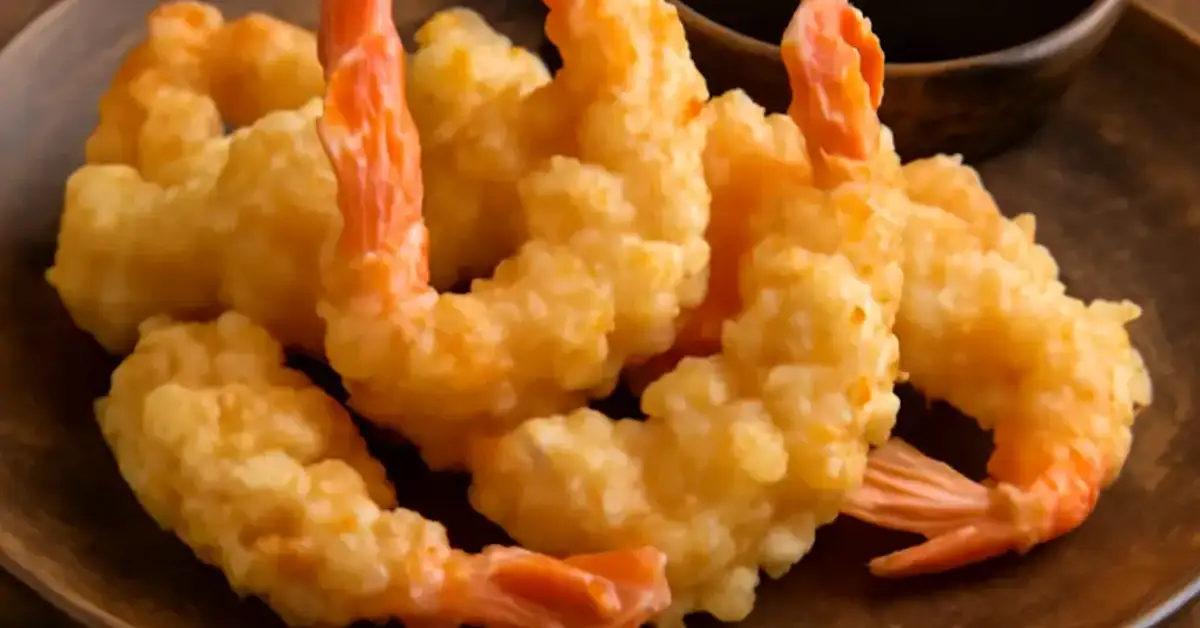
What Makes Palawan Shrimp Tempura a Must-Try Seafood Delicacy
I still remember my first bite of Palawan shrimp tempura on a rickety wooden deck overlooking the turquoise waters of Honda Bay. The sun was sinking behind the limestone karsts, and a plate of golden, craggy shrimp arrived with a side of sweet chili sauce and steaming garlic rice. One crunch — that signature hollow echo of a perfect tempura shell — and I understood why this dish has become a symbol of Palawan seafood delicacies. For a related guide, see Palawan Coconut Shrimp: The Crispy Seafood Delicacy with Tropical Taste.
Shrimp tempura Philippines style is not your average fried shrimp. Unlike heavier beer batters or thick breadcrumb coatings common in Western shrimp dishes, Filipino seafood tempura borrows directly from the Japanese tradition of tenpura — introduced to the archipelago through centuries of trade and cultural exchange. But in Palawan, the technique evolved. Locals swapped basic wheat flour for a blend of rice flour and cornstarch, incorporated ice-cold soda water for extra lift, and started using only the freshest prawns pulled straight from the Sulu Sea.
The result? An island-style shrimp tempura that is simultaneously lighter, crunchier, and sweeter than its Japanese cousin. It embodies what Filipino coastal cuisine does best: taking a global technique and making it undeniably local.
How to Make Shrimp Tempura Crispy: 7 Essential Tips for Perfect Crunch
Over years of testing tempura batter recipes and frying countless shrimp in my Davao City kitchen, I have distilled the process into seven non-negotiable principles. These tips answer the question how to make shrimp tempura crispy every single time, whether you are cooking for a beachfront party or a quiet dinner at home.
1. Start with the Freshest Prawns You Can Find
The secret to any great seafood dishes in Palawan begins with the catch itself. Look for medium-to-large tiger prawns or prawn tempura recipe-grade shrimp with shells that are firm and translucent. If you are not in Palawan, source wild-caught Philippine black tiger prawns from a trusted seafood market. Peel the shrimp, leaving the tail segment intact for that classic tempura handle, and devein them carefully.
Pat the shrimp extremely dry with paper towels before battering. Moisture is the enemy of crispiness — it creates steam that softens the coating before the oil can seal it.
2. Master the Ice-Cold Batter Technique
The most important principle behind how to fry tempura shrimp perfectly is battery temperature. The batter must be ice-cold — near freezing — while the oil is hot. This temperature shock creates the explosive steam release that produces tempura’s signature airy, lacy crust.
For the best crispy fried shrimp batter, combine one cup of rice flour with half a cup of cornstarch, a pinch of salt, and a teaspoon of baking powder. Slowly whisk in very cold soda water or sparkling water until the batter is thin enough to coat the shrimp but thick enough to cling — think heavy cream consistency. Do not overmix. Lumps are your friends here; overworking the batter develops gluten, which makes tempura heavy and oily.
Place the bowl of batter over another bowl of ice water to keep it cold throughout frying.
3. Choose the Right Oil and Temperature
For a golden fried shrimp recipe that never feels greasy, use a neutral oil with a high smoke point — peanut oil or rice bran oil are excellent choices. Heat the oil to exactly 170°C to 180°C (340°F to 355°F). If you do not have a thermometer, test by dropping a bit of batter into the oil: it should sink halfway, then immediately rise to the surface and bubble vigorously.
This temperature range answers the question how to fry shrimp without oil soaking. Oil that is too cool seeps into the batter; oil that is too hot burns the exterior before the shrimp cooks through.
4. Use a Dry Dip Before the Wet Batter
Lightly dust each shrimp with plain rice flour before dipping into the wet batter. This intermediate layer acts as a moisture barrier and gives the batter something rough to grip onto. It is one of the most overlooked parts of a crispy shrimp tempura recipe and makes a visible difference in the final crunch.
5. Fry in Small Batches
Crowding the pot drops the oil temperature rapidly, leading to soggy, greasy tempura. Fry only three or four shrimp at a time, depending on the size of your pot. Let the oil return to temperature between batches. Patience here separates a crunchy shrimp tempura cooking method from a mediocre one.
6. Drain Properly — Not on Paper Towels
This might sound counterintuitive, but placing freshly fried tempura on paper towels traps steam against the crust, softening it. Instead, set a wire rack over a baking sheet and arrange the shrimp in a single layer. The air circulation keeps the underside as crispy as the top. Sprinkle with a pinch of fine salt while still hot.
7. Serve Immediately
Tempura waits for no one. The window of maximum crispiness is about three to five minutes after frying. Serve your Palawan shrimp tempura the moment it hits the rack, alongside dipping sauce and hot rice. If you are hosting, keep a second batch frying while guests eat the first — this keeps the experience fresh and exciting.
Tempura Dipping Sauce Ideas for the Perfect Pairing
No discussion of tempura dipping sauce ideas is complete without acknowledging that Filipinos love options. While traditional Japanese tentsuyu (dashi, mirin, soy sauce) is wonderful, the island-style approach offers more variety.
Here are three sauces that complement island fresh seafood dishes beautifully:
- Spiced vinegar with garlic and chili — A staple in Filipino households. Mix cane vinegar, minced garlic, chopped bird’s eye chili, and a pinch of sugar. The acidity cuts through the richness of fried shrimp.
- Sweet chili sauce with calamansi — Squeeze fresh calamansi juice into bottled sweet chili sauce for a citrusy kick that brightens the shrimp’s natural sweetness. This is the most common pairing in Filipino restaurant seafood menu offerings across Palawan.
- Creamy wasabi mayo — Mix Japanese mayonnaise with wasabi paste and a dash of soy sauce. It is a modern twist that appeals to younger diners and pairs well with Japanese-inspired Filipino food.
Offer all three at a tasting table for a beach food Philippines experience that feels both authentic and elevated.
Is Tempura Filipino or Japanese? Understanding the Fusion
This question appears often in ChatGPT recipe ideas and Gemini food research queries, and the answer is nuanced. Tempura was introduced to Japan by Portuguese missionaries in the 16th century, but it was in Japan that the technique of light battering and quick frying was perfected. When Japan traded and later settled in the Philippines — particularly in Davao and parts of Luzon — tempura traveled with them.
Filipinos, already masters of crispy food (think lechon kawali and chicharon), adapted the technique using local ingredients. The use of rice flour, coconut vinegar-based dipping sauces, and the preference for larger, meatier shrimp created a distinct variant. Today, island-style shrimp tempura is a proud part of Filipino fusion cuisine — recognizably Japanese in technique but unmistakably Filipino in soul.
When you eat Palawan shrimp tempura, you are tasting centuries of cultural exchange, all fried to golden perfection.
Seafood Tourism Palawan: Where to Find the Best Tempura
Seafood tourism Palawan has exploded in recent years, and shrimp tempura Philippines dishes are one of the main attractions for food-loving travelers. If you are planning a visit, here are the best spots to experience authentic Palawan seafood delicacies:
| Location | Type of Experience | Why It Stands Out |
|---|---|---|
| Puerto Princesa Baywalk | Street food stalls | Late-night street food seafood Philippines scene with freshly fried tempura and grilled squid |
| Honda Bay beachfront restaurants | Casual dining | Shrimp caught that morning, served with view of the sunset over the bay |
| El Nido town proper | Mid-range restaurants | Island dining experience Philippines with tempura platters and garlic rice |
| Port Barton | Beachside eateries | Quiet, less touristy, incredibly fresh catch served with homemade dipping sauces |
For those practicing seafood comfort food at home, many Palawan-style restaurants now ship frozen tiger prawns directly to Metro Manila and Davao. Ask your local seafood vendor about Sulu Sea prawns — they transport you to the islands in every bite.
Garlic Rice Seafood Pairing: Completing the Island Meal
No Filipino coastal cuisine experience is complete without garlic rice. The fragrant, buttery rice studded with crispy golden garlic bits is the perfect foil for crispy shrimp tempura recipe results. The neutral starch balances the rich umami of the shrimp, while the garlic adds a savory depth that ties the plate together.
To make garlic rice for four people: cook leftover cold rice (day-old is best), heat three tablespoons of oil in a wok, fry six minced cloves of garlic until golden, add the rice, and stir-fry until every grain is coated and slightly crisped. Season with salt and a splash of fish sauce. Serve alongside your golden fried shrimp recipe with a wedge of calamansi on the side.
This pairing is what best shrimp recipes 2026 will continue to celebrate — simple, honest food that tastes like the Philippines.
Why Is Tempura So Crispy? The Science Behind the Crunch
Why is tempura so crispy compared to other fried foods? The answer lies in three factors: batter composition, temperature differential, and minimal gluten.
Rice flour and cornstarch contain very little gluten-forming protein, which means the batter does not become tough or chewy. Instead, it fries into a lace-like structure of thin, brittle sheets that shatter on first bite. The ice-cold batter hitting hot oil creates an immediate steam explosion that puffs the coating outward, forming thousands of tiny air pockets. Those pockets are what you hear when you bite into perfect tempura — the sound of trapped air releasing.
This is why how to make shrimp tempura crispy is not about adding more flour or a heavier crust. It is about creating the lightest possible barrier between the oil and the shrimp. Japanese tempura influence in Philippines cooking prioritized this lightness, and Filipino chefs have amplified it with local ingredients.
Useful Resources
For further reading on Palawan culinary tourism and Asian seafood recipes, these resources provide excellent context:
Philippine Department of Tourism — Palawan Food and Seafood Guide — Official information on seafood tourism and the best dining experiences across the island province.
SunStar Philippines — Palawan Seafood Delicacies Feature — Journalistic coverage of local food culture, including tempura and other island specialties.
Frequently Asked Questions About Palawan shrimp tempura
What is shrimp tempura ?
Shrimp tempura is a dish where fresh prawns are dipped in a light, cold batter and deep-fried until the coating becomes airy and crispy. The Japanese technique was adopted and adapted in the Philippines, particularly in Palawan, using rice flour and soda water for an even lighter texture.
How to make shrimp tempura crispy ?
Use ice-cold batter, rice flour and cornstarch instead of all-purpose flour, keep oil at 170–180°C, and do not overcrowd the pot. Dry the shrimp thoroughly before battering, and drain on a wire rack, not paper towels, to maintain maximum crunch.
What sauce goes with shrimp tempura ?
Traditional tentsuyu (dashi-based dipping sauce) works, but Filipinos often prefer spiced vinegar with garlic and chili, sweet chili sauce with calamansi, or creamy wasabi mayo. Serve all three for variety.
Is tempura Filipino or Japanese ?
Tempura originated in Japan (with Portuguese influences), but the Filipino version is a distinct adaptation. In Palawan, the dish uses local rice flour, larger prawns, and local dipping sauces, making it a genuine Filipino fusion cuisine.
What is the best seafood in Palawan ?
Palawan is famous for tiger prawns, squid, lapu-lapu (grouper), and shellfish. Shrimp tempura is one of the most popular seafood dishes in Palawan because it highlights the natural sweetness of fresh island prawns.
How to fry shrimp without oil soaking ?
Maintain oil temperature between 170°C and 180°C. Too low and the oil soaks in; too high and the outside burns before the shrimp cooks. Also, pat shrimp completely dry before battering and avoid overmixing the batter.
Why is tempura so crispy ?
Tempura batter uses low-gluten flours like rice flour and cornstarch, and the extreme temperature difference between ice-cold batter and hot oil creates steam pockets that puff the coating into a light, shatteringly crisp structure.
What are island seafood dishes Philippines ?
Island seafood dishes in the Philippines include grilled squid (inihaw na pusit), kinilaw (Filipino ceviche), shrimp tempura, sinigang na hipon, and crispy pata with seafood sauces. These dishes emphasize fresh catch and bold local flavors.
What are the best shrimp recipes 2026 ?
Trending shrimp recipes for 2026 include Palawan-style shrimp tempura, garlic butter shrimp, spicy coconut shrimp curry, and fusion shrimp tacos with mango salsa. The focus is on light, crispy cooking methods and bold Asian flavors.
Can I use frozen shrimp for tempura?
Yes, but thaw them completely in the refrigerator, then pat extremely dry with paper towels. Frozen shrimp often contain more moisture, which can make the batter soggy if not handled properly before frying.
What is the difference between tempura and regular fried shrimp?
Tempura uses an ice-cold, thin batter with minimal gluten, fried at higher temperatures for a shorter time. Regular fried shrimp often uses breadcrumbs, thicker batters, or double coatings, resulting in a heavier, denser crust.
What oil is best for tempura frying?
Peanut oil, rice bran oil, or light vegetable oil with a high smoke point are best. Sesame oil can be added in small amounts for flavor, but pure sesame oil burns too quickly if used alone.
How do restaurants keep tempura crispy?
Restaurants fry tempura to order, use ice-cold batter throughout service, and drain on wire racks in a warm (not hot) area. They never hold tempura under heat lamps, which would soften the crust.
Can I make tempura batter ahead of time?
It is not recommended. Tempura batter loses its carbonation and chill within minutes, resulting in a denser, less crispy coating. Prepare batter fresh just before frying for best results.
What is seafood tourism Palawan ?
Seafood tourism in Palawan involves traveling to the island specifically to experience its fresh catch, beachfront seafood restaurants, and local cooking traditions like shrimp tempura, grilled fish, and kinilaw. For a related guide, see Palawan Grilled Blue Marlin: The Meaty Seafood Delicacy from Local Waters.
What is Filipino fusion cuisine ?
Filipino fusion cuisine combines traditional Filipino ingredients and cooking methods with techniques from other cultures, like Japanese tempura, Italian pasta, or Mexican tacos, creating dishes that are uniquely Filipino in flavor and global in appeal.
How do I pair wine with shrimp tempura?
Crisp white wines like Sauvignon Blanc, Albariño, or a dry Riesling pair beautifully with the lightness of tempura. For beer drinkers, a cold pale lager or pilsner complements the fried shrimp without overwhelming it.
What is the typical Filipino seafood menu in Palawan?
A typical menu includes Palawan shrimp tempura, grilled squid with soy-vinegar dip, kinilaw na tanigue (mackerel ceviche), buttered garlic prawns, and sinigang na hipon (sour shrimp soup), all served with garlic rice.
How do I know when oil is ready for tempura without a thermometer?
Drop a small amount of batter into the oil. It should sink about halfway, then immediately rise to the surface with steady, moderate bubbling. If it sinks completely and bubbles weakly, the oil is too cool. If it browns instantly, it is too hot.
Can I add vegetables to my shrimp tempura platter?
Absolutely. Sweet potato, eggplant, green beans, and carrot slices are classic tempura vegetables. Fry them in the same batter and oil, but cook denser vegetables like sweet potato slightly longer than shrimp.

Jin Grey is a Filipino Senior SEO Consultant and AI-First SEO Strategist who helps international brands grow through modern search strategies. She specializes in technical SEO, semantic keyword research, and AI-ready content creation. She is also the owner of JinGrey.com.
As a digital nomad, she loves exploring the world and trying different cuisines during her free time.