
Palawan Kinilaw Key Takeaways
Palawan kinilaw is a vibrant Filipino ceviche made from ultra-fresh raw seafood — usually tuna, tanigue, or shellfish — cured in coconut vinegar and spiked with ginger, chili, and citrus.
- Palawan kinilaw relies on seawater-fresh catch and native coconut vinegar for its signature clean, sour profile.
- Unlike Latin American ceviche, the fish is "cooked" by acid in a matter of minutes, not hours, preserving a tender, almost sashimi-like texture.
- Puerto Princesa, El Nido, and Port Barton offer the most unforgettable bowls of this traditional Filipino seafood dish.
Palawan culinary culture revolves around the sea. For centuries, the indigenous Tagbanua and Pala’wan peoples relied on the abundant waters of the Sulu Sea and South China Sea. Kinilaw Palawan was born out of practicality — how do you preserve fish without refrigeration on a hot tropical island? Vinegar. The same principle applies to Filipino island cuisine across the archipelago, but Palawan’s isolation and pristine waters make its version especially memorable. For a related guide, see Palawan Danggit Lamayo: The Sweet and Savory Dried Fish Delicacy.
Today, Palawan seafood dishes are a source of fierce local pride. Every barrio has its own variation. Some add gata (coconut milk) for a creamy take; others toss in raw mango for sweetness. The constant across all versions is the emphasis on extreme freshness and the central role of vinegar seafood dish traditions.
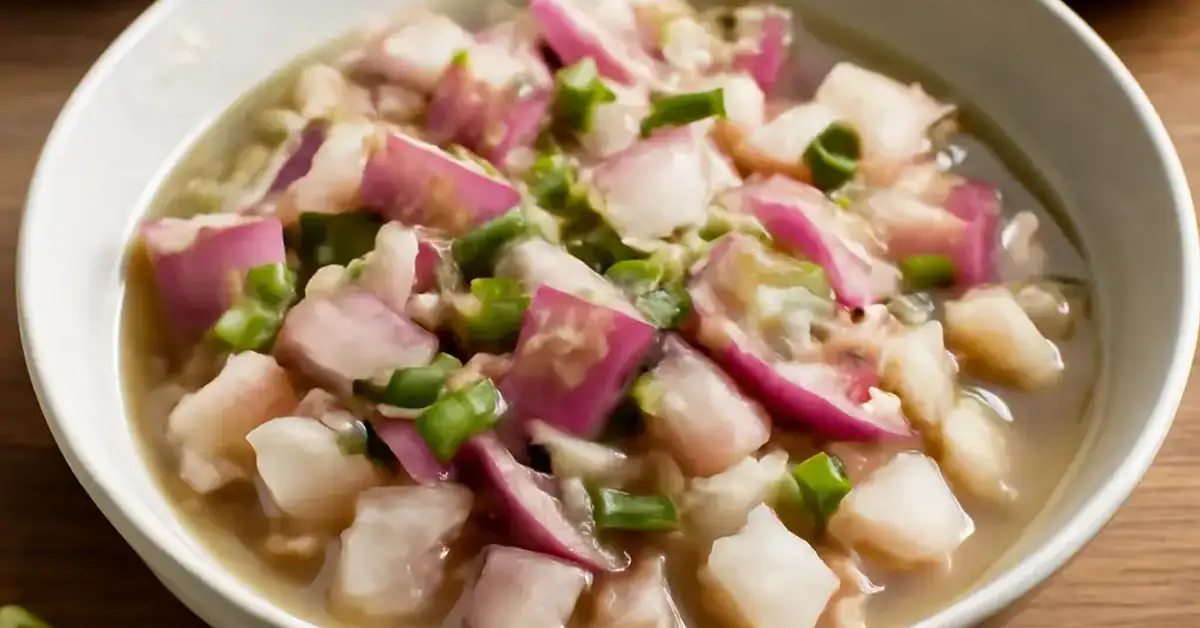
How Is Kinilaw Prepared? A Step-by-Step Look
How is kinilaw prepared? If you want to try making kinilaw recipe at home or simply understand the process before ordering, here is the classic Palawan method:
Step 1: Source the Freshest Fish
Ask your local Palawan food guide — meaning the fishermen themselves — for the day’s catch. Ideally, the fish should still have clear eyes and firm flesh.
Step 2: Dice and Rinse
Cut the fish into 1-inch cubes. Rinse lightly with seawater or salted water to remove any blood lines. Pat dry.
Step 3: Make the Kinilaw Marinade
Combine coconut vinegar, calamansi juice, minced ginger, sliced red onion, and siling labuyo. Some cooks add a pinch of salt and a dash of patis (fish sauce).
Step 4: Marinate Briefly
Pour the marinade over the fish and toss gently. Let it sit for 5–10 minutes — no longer. The fish should turn opaque at the edges but remain soft in the center.
Step 5: Serve Immediately
Garnish with fresh cilantro or wansoy (coriander leaves) and cucumber slices. Serve as a seafood appetizer Philippines style or as a main with steamed rice.
What Is the Difference Between Kinilaw and Ceviche?
I touched on this earlier, but let me give a more detailed breakdown for food writers and culinary explorers who want precise language. What is the difference between kinilaw and ceviche?
The primary difference is the acid source: kinilaw uses vinegar (usually coconut or sugarcane), while ceviche uses citrus (overwhelmingly lime). Vinegar has a higher acetic acid content, which denatures protein faster but also imparts a sharper, more pungent sourness. Ceviche’s citric acid works more slowly, so the fish marinates longer and the texture becomes uniformly firm.
Secondary differences: kinilaw often adds ginger (a nod to Chinese and Malay culinary influences), while ceviche leans heavily on cilantro and chili peppers. Also, kinilaw is almost never served with corn, plantains, or chips — it is eaten with rice or as a standalone appetizer.
Why Is Kinilaw Famous in Palawan?
Why is kinilaw famous in Palawan? Three reasons: proximity, tradition, and tourism. The waters around Palawan are among the most productive fishing grounds in the Philippines. Yellowfin tuna, skipjack, and mackerel are abundant. The local population has been making kinilaw Palawan for generations, so there is deep cultural roots. And as tourism boomed, visitors fell in love with the dish and spread the word. Today, Palawan kinilaw is perhaps the most iconic Palawan seafood dish you can try.
Where Can Tourists Try Kinilaw in Palawan?
Where can tourists try kinilaw in Palawan? I have personally eaten my way through three islands to bring you this list. Here are the spots I trust, ranked for backpackers, beach tourists, and food vloggers:
- Lindleys Restaurant (Puerto Princesa) – Upscale, consistent, and they use line-caught tuna. Try their kinilaw na tuna with a side of grilled scallops.
- Badjao Seafood Restaurant (Puerto Princesa) – Huts over the water, excellent fresh seafood Palawan selection, and a fiery kinilaw that will wake up your palate.
- El Nido’s seaside grills (El Nido town) – Walk along the beach at sunset and look for grills with buckets of ice. The vendors will dice fish right in front of you. Ask for tanigue.
- Port Barton night market – The most authentic local delicacies Palawan experience. Grab a seafood appetizer Philippines style kinilaw and eat it under string lights with the sound of waves.
- Coron’s Lato Restaurant – They add lato (sea grapes) to their kinilaw, giving it a briny pop. Excellent for tropical seafood dishes exploration.
What Are the Best Seafood Dishes in the Philippines? A Palawan Perspective
What are the best seafood dishes in the Philippines? If you ask any Filipino food enthusiast, the list will include adobo, sinigang, and lechon. But for island destinations like Palawan, the answer tilts toward the sea. Besides kinilaw, you must try ginataang alimango (crab in coconut milk), sinuglaw (grilled pork belly with kinilaw), and tamilok (woodworm — yes, it is a local delicacy, and it tastes like oysters). For a related guide, see Palawan Tamilok: The Exotic Woodworm Delicacy Tourists Dare to Try.
Yet kinilaw Palawan remains the undisputed champion for authentic Filipino food hunters. It is light, refreshing, and tells the story of the island in every spoonful.
Is Kinilaw Healthy?
Is kinilaw healthy? Absolutely — when made with quality ingredients. Raw fish is an excellent source of lean protein, omega-3 fatty acids, and vitamin D. Vinegar has been linked to improved blood sugar regulation. Ginger and chili both have anti-inflammatory properties. The dish is naturally low in carbohydrates and free from refined oils. That said, watch out for versions that add too much sugar or serve overly large portions with mountains of rice.
Practical Tips for Tourists: Ordering Kinilaw Like a Local
As a Filipino who grew up eating traditional Filipino seafood, here are my insider tips for tourists visiting the Philippines:
- Ask what vinegar is used for kinilaw before you order. If they say “coconut vinegar,” you are in good hands. If they say “white distilled,” consider another dish.
- Why do Filipinos love kinilaw? It is in our blood. Share that appreciation when you talk to vendors — they will treat you to the best pieces.
- Pair with a cold beer. San Miguel Pale Pilsen cuts through the acidity beautifully.
- Eat quickly. Kinilaw is best within 15 minutes of assembly. If it sits too long, the fish becomes tough and the vinegar overpowers.
- Support sustainable fishing. Ask if the tuna is locally line-caught. Avoid places that use imported, previously frozen fish.
Useful Resources
Want to dive deeper into Palawan culinary culture and Filipino ceviche traditions? Check out these trusted sources:
- Pepper.ph – Beginner’s Guide to Filipino Kinilaw – An excellent breakdown of regional variations and kinilaw ingredients.
- Lakwatsero – Palawan Food Guide: What and Where to Eat – Comprehensive Palawan food guide covering markets, restaurants, and street eats.
Final Thoughts: Your Bowl of Palawan Kinilaw Awaits
I have eaten kinilaw in Mindanao markets, Luzon seaside shacks, and high-end Manila restaurants. None of them compare to the version I had that afternoon in Puerto Princesa, sitting on that shaky bench with the salt breeze on my face. Palawan kinilaw is not just food — it is the taste of an island that has not forgotten its roots.
Whether you are a food vlogger hunting for content, a cultural traveler digging into traditions, or a seafood lover simply looking for the next unforgettable bite, let kinilaw Palawan be your starting point. Order it from a grimy market stall. Eat it with your hands if the vendor does. Sip on a San Miguel. And when that first spoonful hits your tongue — the sour, the spicy, the briny — you will understand exactly why I came back to write this story.
Now go. The ocean is calling, and a bowl of fresh seafood Palawan is waiting.
Frequently Asked Questions About Palawan Kinilaw
What is kinilaw in the Philippines?
Kinilaw is a traditional Filipino raw seafood dish cured in vinegar, often with ginger, chili, and calamansi. It is considered a seafood delicacy Philippines locals have enjoyed for centuries.
What does kinilaw taste like?
Kinilaw tastes bright, tangy, and slightly spicy. The fish stays tender with a clean, oceanic flavor, while the vinegar and ginger add a sharp, warming finish.
Is kinilaw like ceviche?
They are similar but not identical. Kinilaw uses vinegar as the primary acid, while ceviche uses citrus. Kinilaw is also served almost immediately after marinating.
What seafood is used in kinilaw?
Common choices include yellowfin tuna, skipjack, Spanish mackerel, milkfish, shrimp, and even sea urchin. Kinilaw na tuna is the most popular.
Is kinilaw safe to eat?
Yes, when the fish is extremely fresh and prepared hygienically. The vinegar also provides a natural antimicrobial effect. Pregnant women and immunocompromised individuals should exercise caution.
Why is kinilaw famous in Palawan?
Palawan’s pristine waters yield exceptionally fresh tuna and mackerel, making kinilaw Palawan a standout among Palawan seafood dishes. The dish is deeply rooted in local culinary tradition and popular among tourists.
How is kinilaw prepared?
Fresh fish is diced, rinsed, and tossed with coconut vinegar, calamansi, ginger, onion, and chili. It marinates for 5–10 minutes, then is served immediately.
What is the difference between kinilaw and ceviche?
Kinilaw uses vinegar (acetic acid) and cures quickly; ceviche uses citrus (citric acid) and marinates longer. Kinilaw also incorporates ginger, which ceviche typically does not.
What foods should tourists try in Palawan?
Start with Palawan kinilaw, then move to grilled tanigue, ginataang alimango, sinuglaw, and tamilok for a full Palawan food guide experience.
Is kinilaw eaten raw?
Technically yes, but the vinegar “cooks” the outer surface through acid denaturation. The interior remains raw, giving it a unique texture.
What vinegar is used for kinilaw?
Traditional kinilaw recipe calls for coconut vinegar or sugarcane vinegar. These have a milder, slightly sweet acidity compared to white distilled vinegar.
Why do Filipinos love kinilaw?
Filipinos love kinilaw because it showcases the freshness of local seafood, pairs perfectly with rice and beer, and connects them to pre-colonial cooking traditions.
Is kinilaw healthy?
Yes — it is rich in protein, omega-3 fatty acids, and vitamin D, and low in carbohydrates and unhealthy fats. The ginger and chili add anti-inflammatory benefits.
Where can tourists try kinilaw in Palawan?
Top spots include Lindleys and Badjao Seafood in Puerto Princesa, seaside grills in El Nido, the Port Barton night market, and Lato Restaurant in Coron.
What are the best seafood dishes in the Philippines?
Aside from Palawan kinilaw, the best include sinigang na hipon, adobong pusit, grilled liempo with seafood sauce, and paksiw na isda — all staples of Filipino island cuisine.
Can I make kinilaw at home?
Yes, but you need sashimi-grade fish and authentic Filipino food ingredients: coconut vinegar, calamansi, fresh ginger, and siling labuyo. Eat it within 15 minutes of assembling.
Is kinilaw expensive?
In Palawan, a bowl from a local market costs around PHP 100–200 (about $2–4). In tourist restaurants, it can go up to PHP 350–500. Still affordable for a seafood appetizer Philippines experience.
What drinks pair well with kinilaw?
A cold San Miguel Pale Pilsen or a glass of chilled white wine like Sauvignon Blanc cuts through the acidity beautifully. Calamansi juice is a great non-alcoholic option.
Is kinilaw vegetarian?
No — it is primarily seafood-based. However, some mock versions use raw young jackfruit or mushrooms marinated in vinegar, but those are not considered traditional.
Should I try kinilaw on my first day in Palawan?
Absolutely. Your palate will appreciate the freshness, and it sets the tone for the incredible tropical seafood dishes you will encounter throughout your trip.

Jin Grey is a Filipino Senior SEO Consultant and AI-First SEO Strategist who helps international brands grow through modern search strategies. She specializes in technical SEO, semantic keyword research, and AI-ready content creation. She is also the owner of JinGrey.com.
As a digital nomad, she loves exploring the world and trying different cuisines during her free time.