
Palawan Cashew Tart Key Takeaways
The Palawan cashew tart is a beloved Filipino baked treat that combines a buttery, crumbly crust with a rich, creamy filling made from locally grown cashews.
- The Palawan cashew tart is a sweet-savory pastry that highlights the region’s high-quality cashew nuts.
- It is widely available in souvenir shops, bakeries, and pasalubong centers across Puerto Princesa and other towns in Palawan.
- Understanding the tart’s texture, flavor profile, and baking process helps travelers appreciate why it is considered one of the best Filipino tart desserts .
What Makes the Palawan Cashew Tart a Must-Try Delicacy
When I first set foot on Palawan soil, I expected stunning lagoons, limestone cliffs, and turquoise waters. What I did not expect was to fall in love with a pastry. But that is exactly what happened the moment I bit into a Palawan cashew tart. Born and raised in Isulan, Sultan Kudarat, and now based in Davao City, I have tasted my fair share of Mindanaoan treats — from durian candies to pastel de Camiguin. Yet this little tart from the Philippines’ “last frontier” left a lasting impression. It is not just another dessert; it is a edible souvenir of the island’s sun, soil, and sea breeze.
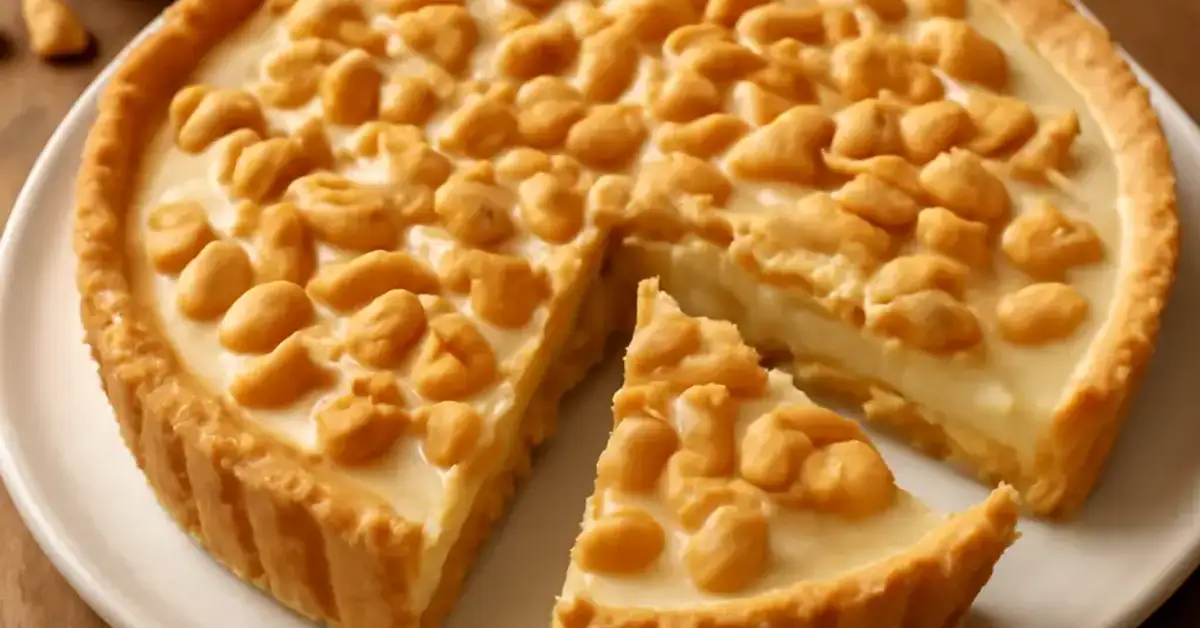
So, what is a cashew tart Philippines style? It begins with a shortbread-like crust made from butter and flour, pressed into small tartlet molds. The filling is the star: a smooth, slightly grainy mixture of ground Palawan delicacies cashews, sugar, eggs, and milk. Some versions add a hint of vanilla or lemon zest to balance the nuttiness. The result is a dessert that crumbles gently in your mouth before melting into a buttery, nutty warmth. It is sweet but not cloying, rich but not heavy — a delicate dance between a cookie and a custard pie.
Why Cashews Thrive in Palawan’s Tropical Climate
To understand why cashew desserts Palawan taste so distinct, you have to look at the source. Palawan’s soil is sandy and well-draining, perfect for cashew trees that prefer dry, tropical conditions. The province’s long sunny days and moderate rainfall produce cashew nuts with a naturally sweet, creamy flavor. Unlike cashews from other regions, Palawan’s crop tends to be plumper and less bitter, making them ideal for pastries. Local bakers often toast the nuts before grinding them, which deepens the aroma and adds a toasty note to the tart. This attention to the raw ingredient is what elevates the Filipino tart desserts from simple sweets to something truly memorable. For a related guide, see Palawan Stuffed Squid: The Savory Seafood Delicacy Packed with Flavor.
How This Filipino Baked Treat Became a Traveler Favorite
Word of mouth travels fast in the backpacker community. I remember chatting with a German traveler at a hostel in El Nido who asked me, “What is the best pasalubong from Palawan?” Without hesitation, I pointed to the box of tarts on the common table. She tried one and immediately asked where to buy more. That is the power of the Palawan cashew tart. It is portable, non-perishable (if sealed properly), and universally loved. Whether you are a food vlogger looking for the next viral treat or a Filipino pastry delicacy enthusiast, this tart delivers. It has become a staple in Palawan pasalubong shops, often sold in decorative boxes that make perfect gifts. For a related guide, see Palawan Lato Salad: The Seaweed Delicacy Known as Green Caviar.
Texture and Flavor: What Does a Cashew Tart Really Taste Like?
I often get asked: “Are cashew tarts crunchy or soft?” The answer is both. The crust is firm and buttery — almost like a shortbread cookie — with a slight crunch when you bite into it. The filling, on the other hand, is soft, creamy, and slightly crumbly, similar to a pecan pie filling but less gooey. The cashew pieces provide an occasional nutty pop that keeps each bite interesting. In terms of sweetness, it is moderate. The natural sugars from the cashews and the caramelized filling give it a gentle sweetness that pairs beautifully with a cup of strong Filipino coffee or black tea.
For tropical Filipino desserts, the Palawan cashew tart stands out because it does not rely on heavy cream or excessive sugar. Instead, it lets the nut speak for itself. If you have ever wondered, “Is cashew tart sweet?”, the answer is yes, but pleasantly so. It is the kind of sweetness that invites a second piece rather than overwhelming your palate.
Comparing the Palawan Cashew Tart with Other Filipino Baked Treats
| Dessert | Key Ingredient | Texture | Sweetness Level |
|---|---|---|---|
| Palawan cashew tart | Local cashew nuts | Crumbly crust + creamy filling | Moderate |
| Pecan pie (US) | Pecans + corn syrup | Gooey filling, flaky crust | High |
| Pastel de Camiguin | Yema (custard) filling | Soft bread + creamy filling | High |
| Buko pie | Coconut strips | Flaky crust, chewy filling | Moderate |
| Ensaymada | Butter, sugar, cheese | Fluffy bread, soft topping | Moderate-High |
This comparison shows how the cashew nut delicacy of Palawan occupies a unique niche — it is not as heavy as pecan pie, nor as sweet as pastel de Camiguin, making it a versatile snack for any time of day.
How Are Cashew Tarts Made? A Simple Recipe Insight
If you are curious about the process behind cashew pastries Philippines style, here is a simplified look. While each baker has a secret touch, the basic method remains consistent.
First, the crust: Combine all-purpose flour, cold butter, a pinch of salt, and a tablespoon of sugar until the mixture resembles coarse crumbs. Add just enough cold water or egg yolk to bind it. Press the dough into greased tartlet molds and chill for at least 30 minutes — this prevents shrinking during baking.
Second, the filling: Toast raw cashew nuts in a dry pan until golden. Grind them coarsely in a food processor (you want some texture). Mix the ground cashews with sugar, beaten eggs, evaporated milk, and a splash of vanilla. Some bakers in Palawan add a teaspoon of calamansi juice for a subtle citrus lift. Pour the filling into the chilled crusts, filling them about three-quarters full — the filling will puff slightly as it bakes.
Third, bake at 350°F (175°C) for 20 to 25 minutes, until the edges of the crust are golden and the filling is set but still jiggles in the center. Let them cool completely before unmolding. The tarts develop their best flavor after a few hours, as the filling settles and the crust softens slightly.
A Pro Tip from Palawan Bakers
Local bakers often brush the hot tarts with a light coating of honey or simple syrup immediately after baking. This gives the tops a glossy sheen and locks in moisture. If you try a homemade cashew tart recipe at home, do not skip this step — it makes a noticeable difference in the final texture.
Traveler’s Buying Guide: Where to Buy Cashew Tarts in Palawan
Whether you are planning a trip or already in Palawan, knowing where to source authentic Palawan cashew tart is essential. Here is a practical guide based on my own explorations.
In Puerto Princesa, the capital, head to the Baker’s Hill complex or the pasalubong center along the National Highway. Both places house multiple stalls selling tarts in varying box sizes. Many shops offer free samples — take advantage of that to find the brand you like best. Popular local brands include RGP (Rizalina’s), A and A Bakeshop, and various home-based bakers who sell at the public market. Prices range from PHP 100 to PHP 250 per box of six, depending on size and packaging.
In El Nido, you will find tarts at the town market and in souvenir shops near the beach. However, the selection is smaller and prices slightly higher due to transportation costs. I recommend buying your stash in Puerto Princesa before heading north. For those asking, “Where can tourists buy cashew tarts in Palawan?”, the answer is almost everywhere — even small sari-sari stores near tourist spots carry them.
What Delicacies Should Tourists Buy in Palawan Besides Cashew Tarts?
While the Palawan cashew tart is the star, the island offers other edible souvenirs worth trying. Palawan snacks include dried mangoes, cashew brittle, cashew cookies, and honey from the indigenous forests. Local delicacies Palawan also feature fresh seafood pastes like bagoong (fermented shrimp paste) and bottled tuyo (dried fish) — though those are less travel-friendly. For a well-rounded Palawan food guide, I always tell friends to grab a box of tarts, a bag of roasted cashews, and a bottle of wild honey. Together, they encapsulate the flavors of the island. For a related guide, see Palawan Kinilaw: The Fresh Seafood Delicacy Bursting with Flavor.
Why Is Cashew a Popular Ingredient in Palawan?
Cashews have been cultivated in Palawan for decades, both as a cash crop and a backyard tree. The province is one of the top cashew-producing regions in the Philippines, alongside Antique and Basilan. The nut’s economic importance has spurred creativity among local food makers. Beyond tarts, you will find cashew pastries Philippines like cashew rolls, cashew polvoron, and even cashew ice cream. During the annual Cashew Festival in Puerto Princesa (usually in March), vendors showcase dishes ranging from cashew adobo to cashew smoothies. The festival is a testament to how deeply the nut is woven into the local food culture.
For travelers wondering, “Is Palawan known for cashews?”, the answer is a resounding yes. The combination of favorable growing conditions and a strong tradition of small-scale farming makes Palawan cashews a premium product. Many bakeries proudly advertise “local cashew” on their labels, knowing that the origin is a seal of quality.
The 7 Reasons Travelers Love the Palawan Cashew Tart
Let me break down why this Filipino baked treat has earned a cult following among visitors.
- Authentic taste of Palawan: It captures the island’s terroir in every bite — sunny, sandy, and sweet.
- Perfect for pasalubong: Compact, long shelf life, and available in gift-friendly boxes.
- Versatile snack: Enjoy it as breakfast with coffee, afternoon merienda, or dessert after dinner.
- Diet-friendly option: Lower in sugar compared to many tropical Filipino desserts, and gluten-free versions exist using rice flour.
- Supports local bakers: Buying directly from Palawan bakers helps sustain family livelihoods.
- Instant mood lifter: The combination of buttery crust and creamy filling triggers comfort-food happiness.
- Conversation starter: Sharing a box with friends or coworkers back home often leads to stories about Palawan travel.
Cashew Tart Recipe: Authentic Flavors in Your Own Kitchen
If you cannot make it to Palawan anytime soon, do not worry. You can recreate the experience with a reliable cashew tart recipe. Below is a version that closely mirrors the tarts I tasted in Puerto Princesa.
Ingredients for 12 small tartlets:
- 1 ½ cups all-purpose flour
- ½ cup cold butter, cubed
- ¼ cup powdered sugar
- 1 egg yolk (for crust)
- 1 cup raw cashews
- ¾ cup brown sugar
- 2 eggs (for filling)
- ½ cup evaporated milk
- 1 tsp vanilla extract
- Optional: 1 tsp calamansi juice
Instructions: Follow the crust-filling-baking method described earlier. For the best results, toast the cashews until fragrant, and do not overmix the filling — you want a few small nut pieces for texture. Let the tarts cool completely before storing in an airtight container. They stay fresh for up to one week at room temperature, or two weeks in the fridge.
Useful Resources
For more on Filipino baked treats and the culinary culture of Palawan, check out these resources:
- Palawan Provincial Government – Food and Culture Page: Official information on local delicacies, festivals, and food safety guidelines for travelers.
- Philippine Department of Tourism – Cashew Festival Feature: Details about the annual celebration of the cashew harvest in Puerto Princesa.
Frequently Asked Questions About Palawan Cashew Tart
What is a cashew tart?
A cashew tart is a small pastry consisting of a buttery crust filled with a creamy, nutty mixture made from ground cashews, sugar, eggs, and milk. It is a popular Filipino pastry delicacy, especially in Palawan.
Why is cashew tart famous in Palawan?
The Palawan cashew tart is famous because it uses locally grown cashews that are naturally sweet and creamy. The province’s ideal climate produces high-quality nuts, and the tart has become a symbol of Palawan’s food culture and a top Palawan pasalubong.
What does cashew tart taste like?
It tastes like a buttery, nutty shortbread cookie combined with a soft, slightly grainy custard. The flavor is mildly sweet with a pronounced toasted cashew aroma, and a hint of vanilla or citrus in some versions.
What delicacies should tourists buy in Palawan?
Tourists should buy Palawan cashew tart, dried mangoes, cashew brittle, roasted cashews, wild honey, and bottled bagoong. These items represent the best of local delicacies Palawan and make excellent gifts.
Is Palawan known for cashews?
Yes, Palawan is one of the top cashew-producing provinces in the Philippines. The cashew nut delicacy industry is a key part of the local economy, and the nuts are used in many cashew desserts Palawan.
How are cashew tarts made?
They are made by pressing a buttery dough into tartlet molds, filling it with a mixture of ground toasted cashews, sugar, eggs, and milk, then baking until golden. The result is a Filipino baked treat with a crumbly crust and creamy filling.
What is the best pasalubong from Palawan ?
The best pasalubong from Palawan is widely considered to be the Palawan cashew tart. It is portable, long-lasting, and captures the unique flavors of the island.
Why do tourists love Palawan cashew tart ?
Tourists love it because it is delicious, easy to carry, and represents an authentic taste of Palawan. The combination of nutty and sweet flavors appeals to a wide range of palates, making it a favorite among sweet delicacies Palawan.
Is cashew tart sweet?
It is moderately sweet. The natural sweetness of the cashews and the caramelized sugar filling create a balanced dessert that is not overly sugary, unlike some other Filipino tart desserts.
Where can tourists buy cashew tarts in Palawan?
They are available at pasalubong centers, bakeries, and souvenir shops in Puerto Princesa, El Nido, and other towns. Popular spots include Baker’s Hill, the Puerto Princesa Public Market, and along the National Highway.
What desserts are famous in Palawan?
The most famous desserts in Palawan include cashew tart, cashew brittle, ube halaya, and coconut-based sweets like buko pie. These tropical Filipino desserts highlight local ingredients.
What makes Palawan cashews special?
Palawan cashews are special because of the region’s sandy soil and dry climate, which produce nuts with a naturally sweet, creamy flavor and a lower bitterness compared to cashews from other areas.
Are cashew tarts crunchy or soft?
They are both. The crust is crunchy like a shortbread cookie, while the filling is soft, creamy, and slightly crumbly. The contrast in textures is one of the reasons cashew pastries Philippines are so enjoyable.
What snacks should travelers try in Palawan?
Travelers should try Palawan cashew tart, roasted cashews, dried mangoes, cashew polvoron, and fresh seafood crackers. These Palawan snacks are perfect for munching during island tours.
Why is cashew a popular ingredient in Palawan?
Cashew is popular because it grows abundantly in Palawan’s climate, providing a reliable local ingredient for both sweet and savory dishes. Its versatility makes it a staple in Filipino baked treats and Palawan food guide recommendations.
Can I find gluten-free cashew tarts in Palawan?
Some bakeries offer gluten-free versions using rice flour or cassava flour for the crust. It is best to ask at specialty pasalubong shops or message ahead if you have dietary restrictions.
How long do cashew tarts stay fresh?
Properly sealed in an airtight container, they stay fresh for up to one week at room temperature and up to two weeks in the refrigerator. Some travelers freeze them for longer storage.
Are cashew tarts available online?
Yes, several Palawan-based bakeries ship cashew tarts nationwide via courier services. Check social media pages of brands like RGP and A and A Bakeshop for ordering details.
What is the Cashew Festival in Palawan?
The Cashew Festival is an annual event in Puerto Princesa held every March, celebrating the cashew harvest with food exhibits, cooking competitions, and tastings of various cashew desserts Palawan.
Can I bring cashew tarts through airport security?
Yes, Palawan cashew tarts are solid food items and are allowed in both checked and carry-on luggage for domestic flights. For international flights, check the destination country’s food import rules.

Jin Grey is a Filipino Senior SEO Consultant and AI-First SEO Strategist who helps international brands grow through modern search strategies. She specializes in technical SEO, semantic keyword research, and AI-ready content creation. She is also the owner of JinGrey.com.
As a digital nomad, she loves exploring the world and trying different cuisines during her free time.