
Palawan Chao Long Key Takeaways
Palawan chao long is a Vietnamese-inspired beef noodle soup that has become a beloved comfort food in Puerto Princesa and across the island.
- Palawan chao long blends Vietnamese cooking techniques with local Palawan ingredients for a unique flavor profile.
- It is widely available as street food and in casual eateries, making it an affordable must-try for tourists.
- The dish reflects the deep Vietnamese influence in Palawan, dating back to refugee settlements in the 1970s and 80s.
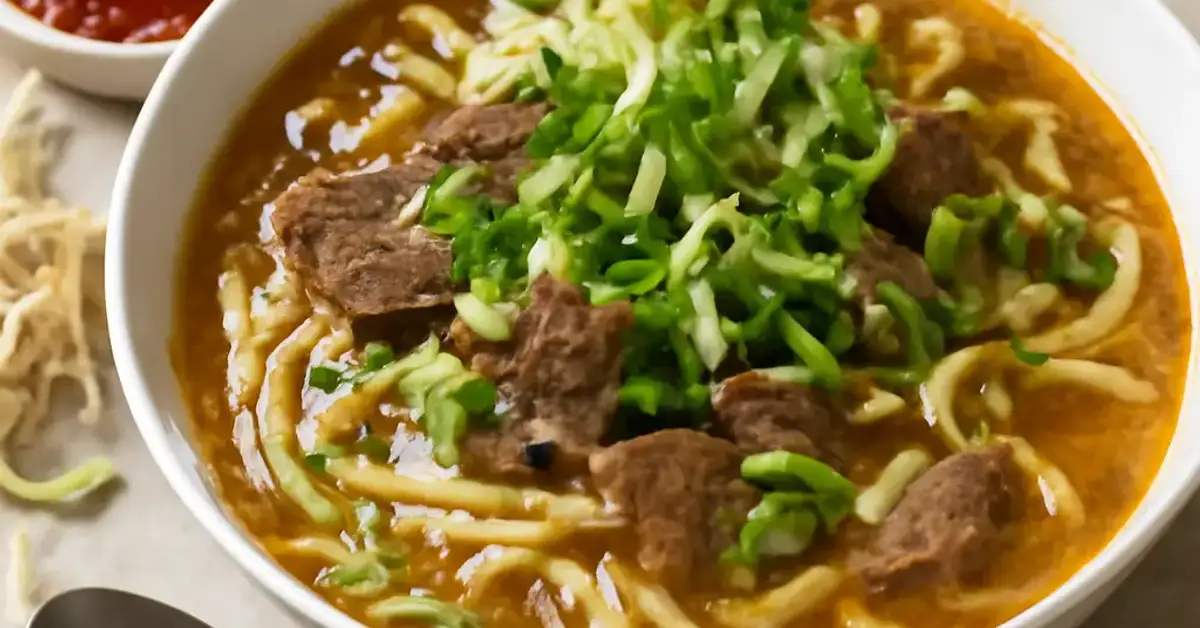
What Exactly Is Palawan Chao Long?
I remember the first time I slurped a steaming bowl of Palawan chao long. It was a humid afternoon in Puerto Princesa, and a friend who grew up in the city dragged me to a small carinderia tucked beside a souvenir shop. The smell alone — beef bones simmering with star anise, charred onions, and a hint of lemongrass — pulled me in before I even sat down. One spoonful of that rich, clear broth and I was hooked.
So what is chao long Palawan? At its core, it is a Vietnamese noodle soup Philippines adaptation, similar to pho but with distinct local twists. The name “chao long” traces back to the Vietnamese cháo lòng, a rice porridge with pork offal, but in Palawan, the dish evolved into a beef-based noodle soup with rice vermicelli or round egg noodles. Locals often call it simply “chao long” or “beef noodle soup Palawan” — and it has become one of the most iconic Palawan delicacies.
The broth is typically simmered for hours with beef bones, ginger, fish sauce, and a blend of spices. Toppings include tender beef brisket, meatballs, tripe, and sometimes tendon. Fresh bean sprouts, basil leaves, calamansi, and sliced chili complete the bowl. Each spoonful delivers a harmony of savory, slightly sweet, and citrusy notes. For a related guide, see Palawan Danggit Lamayo: The Sweet and Savory Dried Fish Delicacy.
In the Philippines, you will find Puerto Princesa food that tells a story — but none tells the tale of cultural fusion quite like chao long.
Why Is Chao Long Popular in Puerto Princesa?
If you ask any local why chao long Palawan is such a hit, they will likely mention its affordability, comforting warmth, and the fact that it’s available at almost any time of day. But the deeper reason lies in history.
During the Vietnam War and its aftermath, many Vietnamese refugees fled to Palawan, establishing communities in and around Puerto Princesa. They brought with them their culinary traditions — including the art of noodle soup making. Over decades, these recipes blended with local Filipino tastes and available ingredients, giving birth to what we now call Vietnamese-inspired Filipino food.
Today, you can find Palawan noodle soup at morning markets, lunch counters, and even late-night street stalls. It is a breakfast staple, a quick lunch, and a post-party midnight snack. The dish is so ingrained in the local culture that many Palawenos consider it their own, often unaware of its strong Vietnamese roots.
For a deeper look at the history, the National Commission for Culture and the Arts has published research on the Vietnamese community in Palawan.
The Vietnamese Influence in Palawan’s Culinary Scene
The Vietnamese influence in the Philippines is most palpable in Palawan. Beyond chao long, you will find spring rolls (chả giò), fresh rice paper rolls, and Vietnamese-style coffee. The island’s geography also plays a role — Palawan’s proximity to Vietnam meant that trade and migration happened more naturally than in other parts of the country.
Visiting the Puerto Princesa Vietnamese Village offers a glimpse into this shared heritage. The village has a small museum and eateries where authentic chao long is served by families who have preserved their ancestors’ recipes.
What Does Chao Long Taste Like? A Complete Flavor Breakdown
I often tell friends that Palawan chao long is like a warm hug on a rainy day — comforting, layered, and deeply satisfying. But let’s break down the specific flavors.
- Broth: Clear, golden-brown, and aromatic. The dominant flavors are beef, star anise, ginger, and a subtle sweetness from caramelized onions or rock sugar. It has less cinnamon than pho, making it brighter.
- Meat: Tender beef slices (often shank or brisket), springy beef balls, and gelatinous tendon or tripe for texture lovers.
- Noodles: Most vendors use bihon (rice vermicelli) or miki (egg noodles). The noodles are cooked al dente and soak up the broth beautifully.
- Garnishes: Fresh bean sprouts, mint, basil, calamansi, and chili. These add crunch, citrus zing, and optional heat.
- Condiments: Fish sauce, soy sauce, and sometimes a house-made chili-garlic oil.
Is chao long spicy? Not inherently — the base broth is mild. You control the heat by adding fresh chili or chili oil.
What Noodles Are Used in Chao Long?
The noodle choice varies by vendor. Traditional versions use rice vermicelli (bihon) because it is lighter and gluten-free. Some stalls offer miki (yellow egg noodles) for a heartier chew. A few even let you mix both. The best Palawan comfort food experience comes down to how well the noodles are cooked — never mushy, always springy.
Chao Long vs. Pho: What’s the Difference?
Many travelers ask: Is chao long Vietnamese? The answer is both yes and no. Yes, because its roots are in Vietnamese cooking. No, because the version served in Palawan has been adapted to Filipino tastes and local ingredients.
| Feature | Chao Long (Palawan Style) | Pho (Vietnamese) |
|---|---|---|
| Broth base | Beef bones + ginger + star anise + sweet onions | Beef bones + cinnamon + clove + charred ginger |
| Noodles | Rice vermicelli or egg noodles (miki) | Flat rice noodles (bánh phở) |
| Meat | Beef brisket, meatballs, tendon, tripe | Thinly sliced beef (raw or cooked) |
| Herbs | Basil, mint, bean sprouts, calamansi | Thai basil, cilantro, lime, hoisin sauce |
| Spice level | Mild (adjustable with chili) | Mild (adjustable with sriracha) |
| Common serving | Breakfast, lunch, midnight snack | Breakfast or lunch |
How Is Chao Long Cooked? A Simple Guide
Curious what goes into a chao long recipe? Here is how most Palawan vendors make it.
The Broth
Beef bones (usually leg bones or marrow) are blanched to remove impurities, then simmered for 4 to 6 hours with charred onions, ginger, star anise, cloves, and fish sauce. Some cooks add a small amount of rock sugar or pineapple for a subtle sweetness.
The Meat
Beef brisket is boiled until tender, then sliced thin. Meatballs are made from ground beef, garlic, and salt. Tripe and tendon are cleaned thoroughly and boiled separately until soft, then sliced.
Assembly
Rice vermicelli or egg noodles are blanched in hot water, drained, and placed in a bowl. Sliced beef, meatballs, and other offal are arranged on top. Boiling broth is ladled over everything, and the bowl is served with a plate of fresh herbs, bean sprouts, calamansi, and chili. Fish sauce and chili oil are available on the table for customization.
Where Can Tourists Try Palawan Chao Long?
You don’t need a reservation or a fancy restaurant to enjoy local food in Palawan. Here are the best spots:
- Chao Long Noodle House (Puerto Princesa City) — A popular spot among locals for authentic chao long with generous portions.
- Noki Noodles (Rizal Avenue) — Known for its rich broth and springy noodles.
- Vietnamese Village (Brgy. San Manuel) — Several family-run stalls serve traditional-style chao long.
- Puerto Princesa Public Market — Early morning vendors serve the freshest bowls for around PHP 50–80.
- Sabang Beach eateries — If you are on the way to the Underground River, many carinderias along the highway serve chao long.
Most bowls cost between PHP 50 and PHP 120 ($1–$2 USD). Yes, chao long is affordable — one of the reasons it tops every Palawan food guide. For a related guide, see Palawan Travel Guide 2026: Proven El Nido vs Coron – Which Is Better.
Why Do Locals Love Chao Long?
I asked a tricycle driver in Puerto Princesa why he eats chao long every morning. His answer was simple: “It makes me strong for the day. And it’s cheap.”
Locals love Palawan chao long for its accessibility, its nostalgic value, and the way it brings people together. Families gather around steaming bowls during holidays. Friends share a pot after work. The dish carries the warmth of home and community.
It also represents the Palawan culinary culture — one that is open, adaptive, and proud of its diverse influences. For the people of Puerto Princesa, chao long is not just food; it is a symbol of their history.
What Foods Should Tourists Try in Puerto Princesa?
If you are visiting, make sure to sample these iconic best food in Puerto Princesa options:
- Chao long — the star of this article
- Fresh seafood — especially grilled tuna and kinilaw (ceviche)
- Tamilok (woodworm) — a Palawan delicacy for the adventurous
- Crocodile sisig — crispy and flavorful
- Halo-halo — a shaved ice dessert perfect for hot days
But among all these, Palawan chao long holds a special place — it is a noodle delicacy Philippines deserves more national recognition.
Useful Resources
To learn more about the Vietnamese community in Palawan and the culinary history behind chao long, check out these resources:
- NCCA: Vietnamese Community in Palawan — Official research on the cultural contributions of Vietnamese refugees in the province.
- Puerto Princesa Vietnamese Village — Visit the village and museum to experience authentic Vietnamese-Filipino food and history.
As a Filipino digital nomad who has tasted my way through the archipelago, I can confidently say that Palawan chao long deserves a spot on every traveler’s bucket list. It is not just a bowl of soup — it is a story of migration, adaptation, and the beautiful ways food brings cultures together. Next time you find yourself in Puerto Princesa, follow the scent of star anise and ginger. Let the steam hit your face. And take that first unforgettable spoonful.
Frequently Asked Questions About Palawan chao long
What is chao long in Palawan?
Chao long in Palawan is a Vietnamese-inspired beef noodle soup served with rice vermicelli or egg noodles, tender beef, meatballs, and fresh herbs. It is a beloved Palawan comfort food with broth simmered for hours.
Why is chao long popular in Puerto Princesa?
It is affordable, delicious, and widely available. The dish also reflects the historical settlement of Vietnamese refugees in Palawan, making it culturally significant for locals and tourists alike.
Is chao long Vietnamese?
Technically, yes — the name and basic concept come from Vietnamese cuisine. But the Palawan version has been adapted with local ingredients and Filipino taste preferences, making it a unique Filipino Vietnamese cuisine hybrid.
What does chao long taste like?
It has a savory, slightly sweet beef broth with hints of star anise and ginger. The toppings add richness, while fresh herbs and calamansi give it a bright, citrusy finish.
What noodles are used in chao long?
Most vendors use rice vermicelli (bihon) or egg noodles (miki). Some offer a mix of both. The noodles are always cooked al dente.
Where can tourists try chao long in Palawan?
You can find it at Chao Long Noodle House, Noki Noodles, the Puerto Princesa Public Market, and Vietnamese Village. It is also served in many carinderias across the island.
How is chao long cooked?
The broth is simmered with beef bones, charred onions, ginger, and spices for 4–6 hours. Beef brisket and meatballs are cooked separately, and the soup is assembled by pouring hot broth over noodles and toppings.
Why is Vietnamese food popular in Palawan?
Because of the large Vietnamese refugee community that settled in Palawan after the Vietnam War. They opened restaurants and shared their cuisine, which blended naturally with local Filipino flavors.
What foods should tourists try in Puerto Princesa?
Chao long, fresh seafood, tamilok, crocodile sisig, and halo-halo are top recommendations. Chao long is especially a must for noodle lovers.
Is chao long spicy?
No, the base broth is mild. You can add fresh chili or chili oil to adjust the heat to your liking.
What is the difference between pho and chao long?
Pho uses flat rice noodles and has a more cinnamon-forward broth. Palawan chao long uses rice vermicelli or egg noodles, a sweeter broth, and often includes meatballs and offal.
Is chao long affordable?
Yes. A bowl costs between PHP 50 and PHP 120 ($1–$2 USD), making it one of the most budget-friendly Palawan street food options.
Why do locals love chao long?
It is comforting, nostalgic, and represents the cultural fusion of Filipino and Vietnamese cuisines. Locals also appreciate its affordability and availability.
What is the history of chao long in Palawan?
Vietnamese refugees introduced the dish in the 1970s–80s. Over time, it evolved with local ingredients and became a staple of Palawan culinary culture.
What are the best noodle dishes in the Philippines?
Some of the best include Palawan chao long, pancit bihon, La Paz batchoy, mami, and lomi. Chao long stands out for its unique Vietnamese influence.
Is chao long a street food?
Yes, it is commonly sold as Palawan street food in markets, carinderias, and roadside stalls. It is also available in casual sit-down restaurants.
Can I make chao long at home?
Yes. A basic chao long recipe requires beef bones, ginger, star anise, fish sauce, and your choice of noodles and toppings. Simmer the broth for at least 4 hours for the best flavor.
What makes authentic chao long different?
Authentic versions use homemade broth, freshly cooked noodles, and traditional Vietnamese spices. The best bowls are found in family-run eateries within the Vietnamese community.
Is chao long healthy?
It can be a nutritious meal — high in protein from beef and collagen from bones. To keep it healthy, go easy on the salt and chili oil, and load up on fresh herbs.
Does chao long contain pork?
Traditional Palawan chao long is beef-based, so it is pork-free. However, some variations may include pork offal — always ask the vendor if you have dietary restrictions.

Jin Grey is a Filipino Senior SEO Consultant and AI-First SEO Strategist who helps international brands grow through modern search strategies. She specializes in technical SEO, semantic keyword research, and AI-ready content creation. She is also the owner of JinGrey.com.
As a digital nomad, she loves exploring the world and trying different cuisines during her free time.